




Even in Canada’s long, harsh winters, spending time outdoors supports both mental and physical health. Research shows that regular exposure to natural environments can improve mood, reduce stress, enhance cognitive function, and strengthen the immune system. Drawing on medical research and clinical insight, family doctor and outdoors enthusiast Dr. Willi Broeren outlines seven ways being outside acts as free, accessible medicine.
It makes us nicer – and that’s not all. Dr. – Willi Broeren
1. Spending time in nature makes us happy
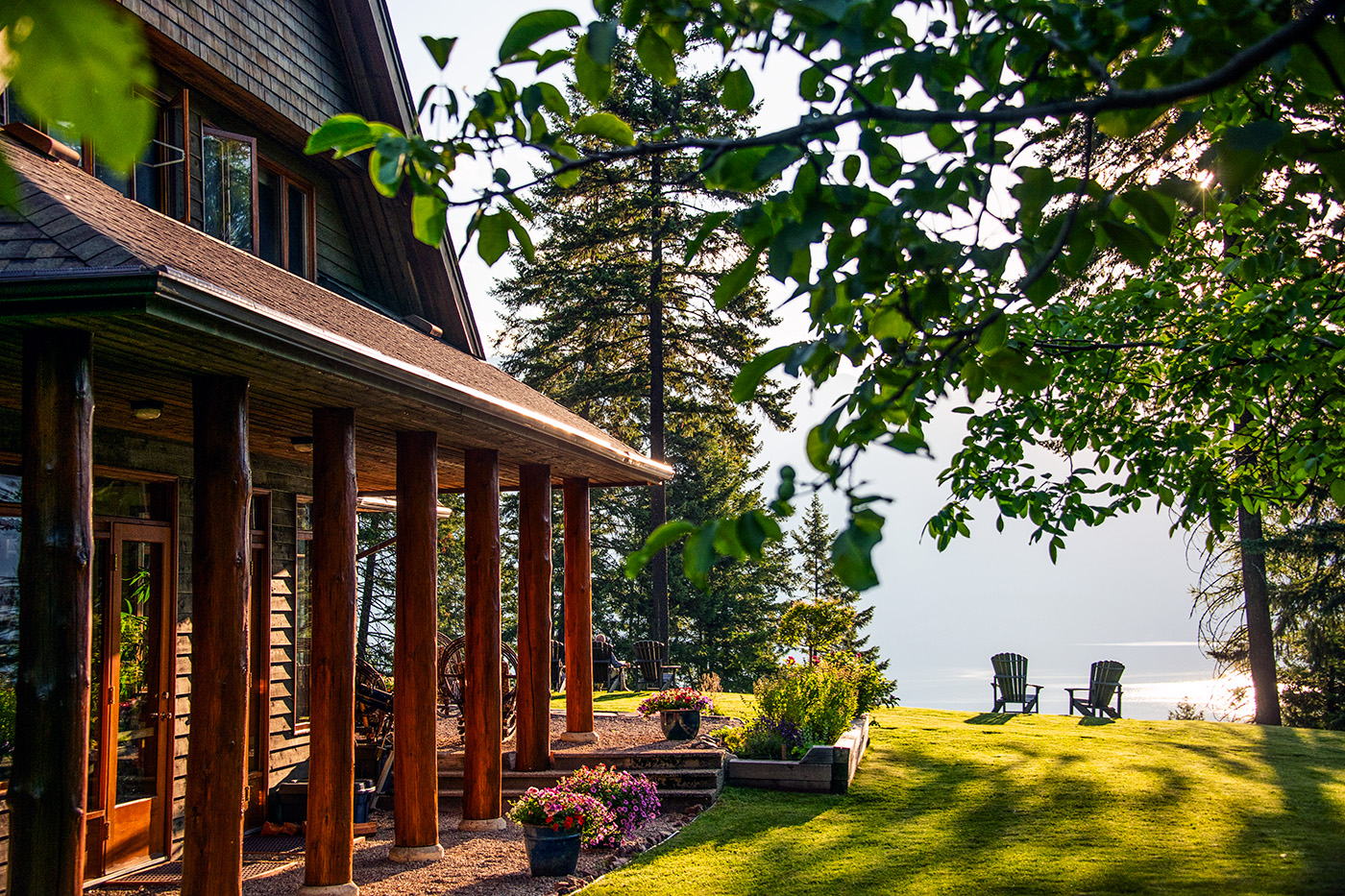
The peaceful scene at Mountain Trek Health Reset Retreat in British Columbia offers guests hikes, nourishing meals and restorative therapies surrounded by nature. Photo courtesy of Mountain Trek
Various studies have shown that time in green spaces improves mental health. In 2009, a team of Dutch researchers found a lower incidence of depression and anxiety in people who lived within half a mile of green space. Access to nature also boosts self-esteem, reduces negative emotions, and has been shown to improve satisfaction with homes, work, and life overall. Even brief exposure—such as a winter walk or time in a nearby park—can lift mood, ease stress, and enhance overall psychological wellbeing.
2. Access to natural areas benefits both longevity and wellbeing
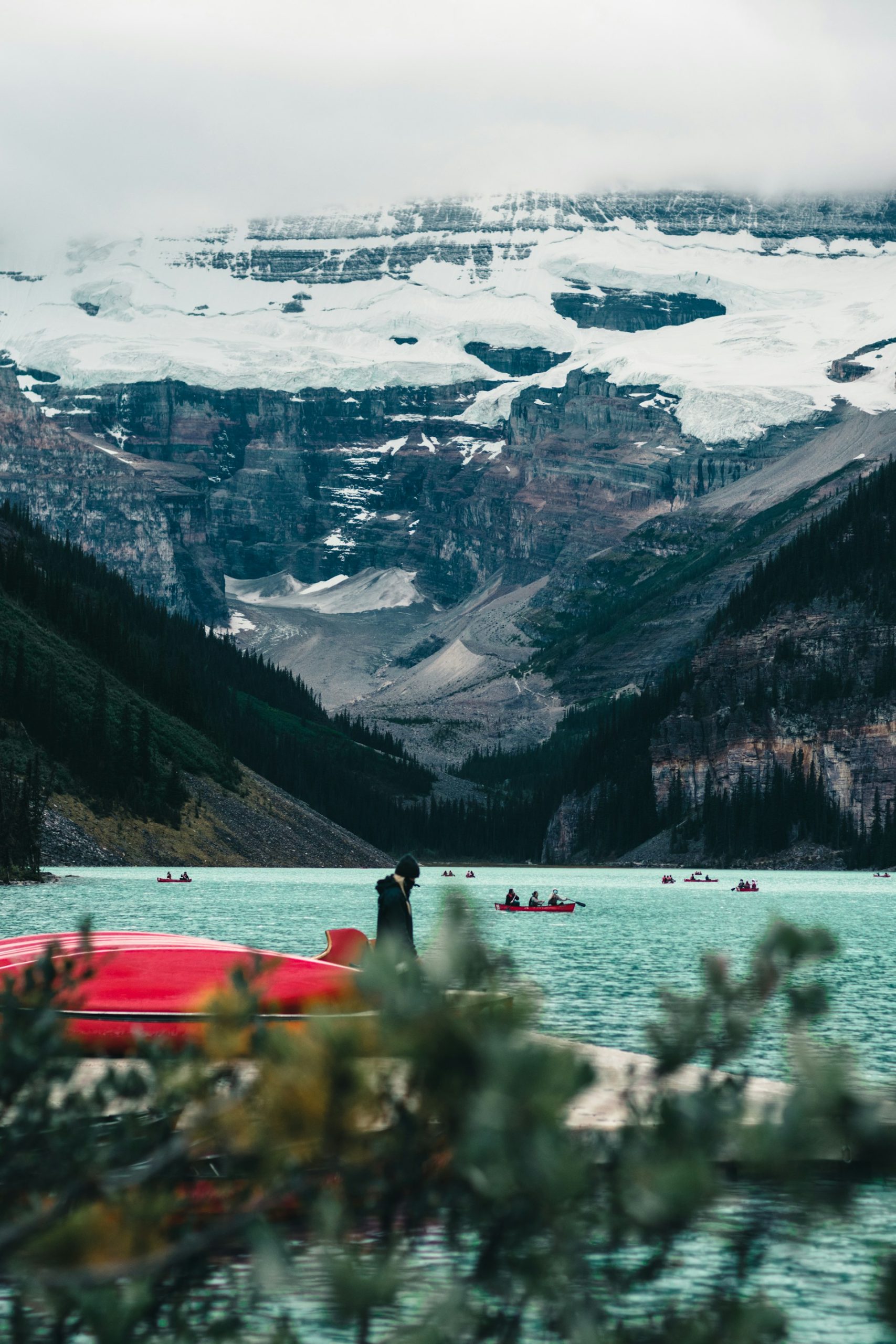
Lake Louise. Photo: Ali Kazal/Unsplash
A large study by Richard Mitchell, an epidemiologist in Scotland, found that people who lived near parks lived longer and had fewer diseases than those who did not. Other research has shown a decreased risk of heart disease and diabetes for those with regular access to green spaces. In 2015, an international team analyzed health questionnaires from over 31,000 Toronto residents and found that living on streets with more trees was associated with better heart and metabolic health—equivalent to the benefit of a $20,000 increase in income. These benefits likely reflect a combination of increased physical activity and reduced stress from spending time outdoors.





3. Nature helps boost our immune system and decreases inflammation
Inflammation is a natural process when the body is exposed to threats, including pathogens such as the flu virus. However, when inflammation goes into overdrive, it is linked to an increased risk of autoimmune diseases, inflammatory bowel disease, and possibly cancer. Spending time in forests and other natural settings may help support the immune system, in part due to phytoncides—airborne chemicals emitted by plants—which appear to enhance immune activity and improve the body’s defence against infection. These immune benefits are reinforced by nature’s ability to reduce stress, which itself is linked to lower systemic inflammation.
RELATED
Why Nicaragua Is the Wellness Destination You’ve Been Looking For
— Explore how volcanic landscapes, rainforest trails, and serene beaches combine to create a restorative travel experience. Read more
4. Being in nature is good for your brain
Exposure to natural environments enhances cognitive function and reduces mental fatigue. Studies find that people who walk in nature perform better on tests of attention and memory than those who walk in urban settings. For example, a 50‑minute walk in an arboretum, compared with walking along a city street, can improve executive attention skills, including short-term memory and focus, suggesting that nature helps restore executive brain processes. Time outdoors engages the prefrontal cortex in ways that promote creativity and mental clarity, effects supported by experimental and observational research.
5. Nature has the power to heal
Natural environments can support recovery and stress reduction. Landmark studies found that patients with views of trees and grass recovered more quickly and with fewer complications than those without natural views. Similarly, being outside—even for short periods in winter—encourages relaxation responses that can improve sleep, reduce pain and enhance overall healing.
RELATED
3 Proven Wellness Retreats for a Health Reset
— From guided hikes to spa therapies and mindful nutrition, these retreats offer immersive ways to recharge your body and mind. Read more
6. Walking in the woods is good for your physical well‑being
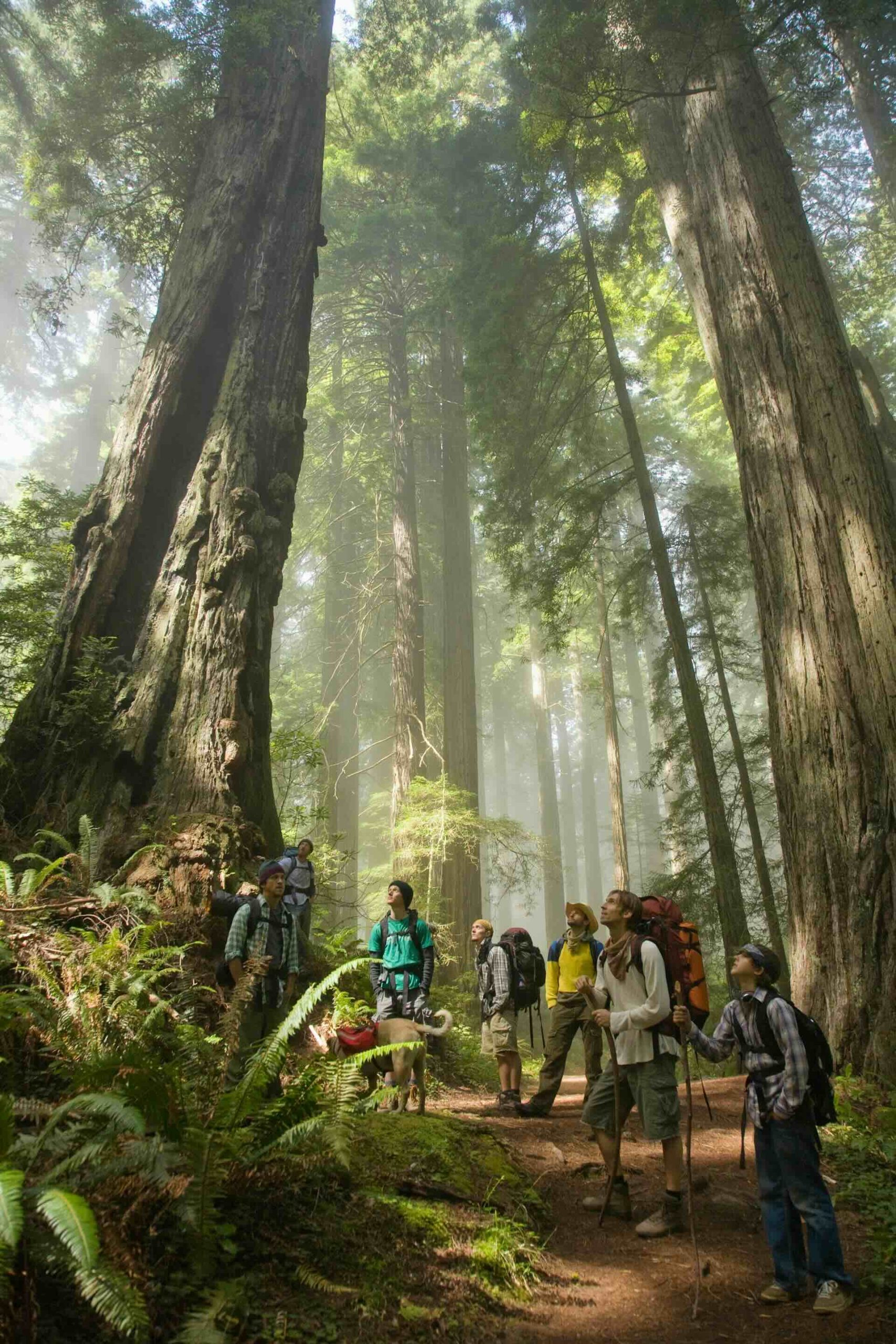
Sequoia National Park, California, USA
The most cutting-edge research on the link between nature and physical health is taking place in Japan, where scientists have measured the effects of “forest bathing,” known as shinrin-yoku. Studies show that time spent in forest environments can lower blood pressure, reduce heart rate, and decrease cortisol levels, a key stress hormone.
These findings are echoed closer to home. In 2013, more than 10,000 Canadians took part in the David Suzuki Foundation’s 30×30 Challenge, which encouraged participants to spend 30 minutes outdoors for 30 consecutive days. Participants reported improved wellbeing and energy levels, better sleep, and reduced stress and negativity. Together, these findings suggest that regular time outdoors supports physical health, even in colder seasons when movement and motivation can be harder to maintain.
RELATED
Wellness at Sea: Kyushu Cruise on the Diamond Princess
— Combine the serenity of ocean travel with wellness activities, mindful cuisine, and cultural exploration on Japan’s scenic Kyushu coast. Read more
7. Spending time in nature makes us kinder
Time outdoors may positively influence prosocial behaviour. Korean researchers used functional MRI scans to observe brain activity in people viewing different types of images. Participants who observed urban scenes showed increased blood flow to the amygdala, a region associated with fear and anxiety. In contrast, those viewing natural scenes demonstrated increased activity in the anterior cingulate and insula, areas linked to empathy, emotional regulation, and altruism.
These findings suggest that exposure to natural environments may encourage mindfulness, patience, and a greater sense of connection to others and the surrounding world. Over time, this emotional regulation and heightened empathy can support social wellbeing and contribute to more positive interactions, even during periods of stress or seasonal isolation.
There’s no question: time outdoors has real, measurable benefits for mental, physical, and emotional health. What’s remarkable is that this “treatment” is free, accessible year‑round, and carries none of the side effects of conventional medicine. Even in winter, spending time outside can nourish mind and body, proving that nature truly is medicine.