



CENTRAL AMERICA may be compact – it’s roughly the size of Spain – but what it lacks in scale, the seven countries that form this narrow bridge of land between North and South America more than make up for in range and richness. Visitors can snorkel off sandy Caribbean islands and surf the thundering Pacific or sip coffee at its misty highlands source and learn about Indigenous traditions in the cloud forests.
I’ve repeatedly returned to this part of the world in the past few years, drawn back each time by its layered cultural heritage, dramatic landscapes and meaningful immersions. It’s also easy to reach and there’s little to no time difference, so jet leg is minimal. Here’s how each country stands apart, so you can decide which one might best fit your travel style.
1. Belize
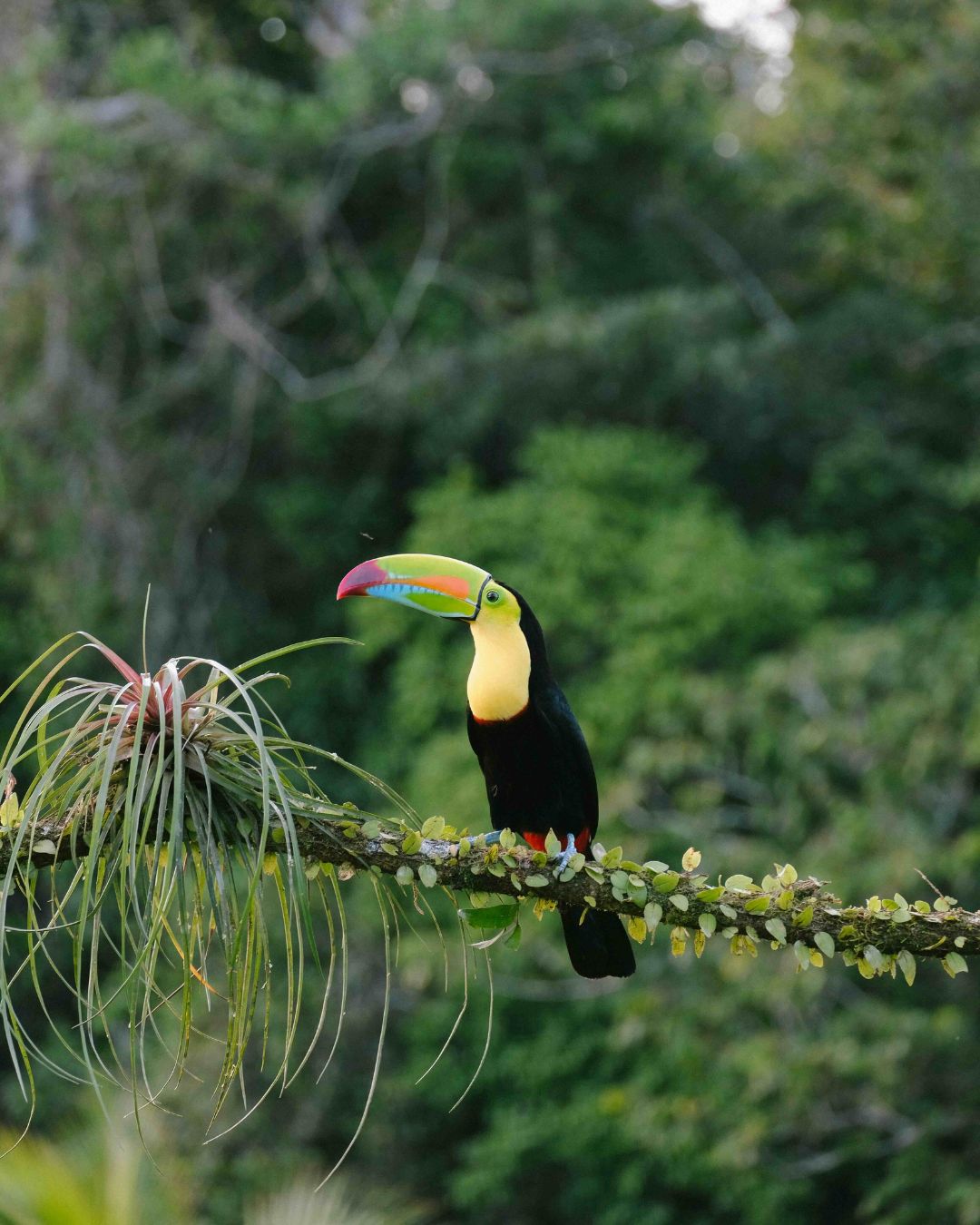
With its vibrant yellow bib and striking chestnut back, the Yellow-throated Toucan is one of the most colourful inhabitants of the rainforest canopy in Belize. Photo by: Giulia Squillace/Unsplash+





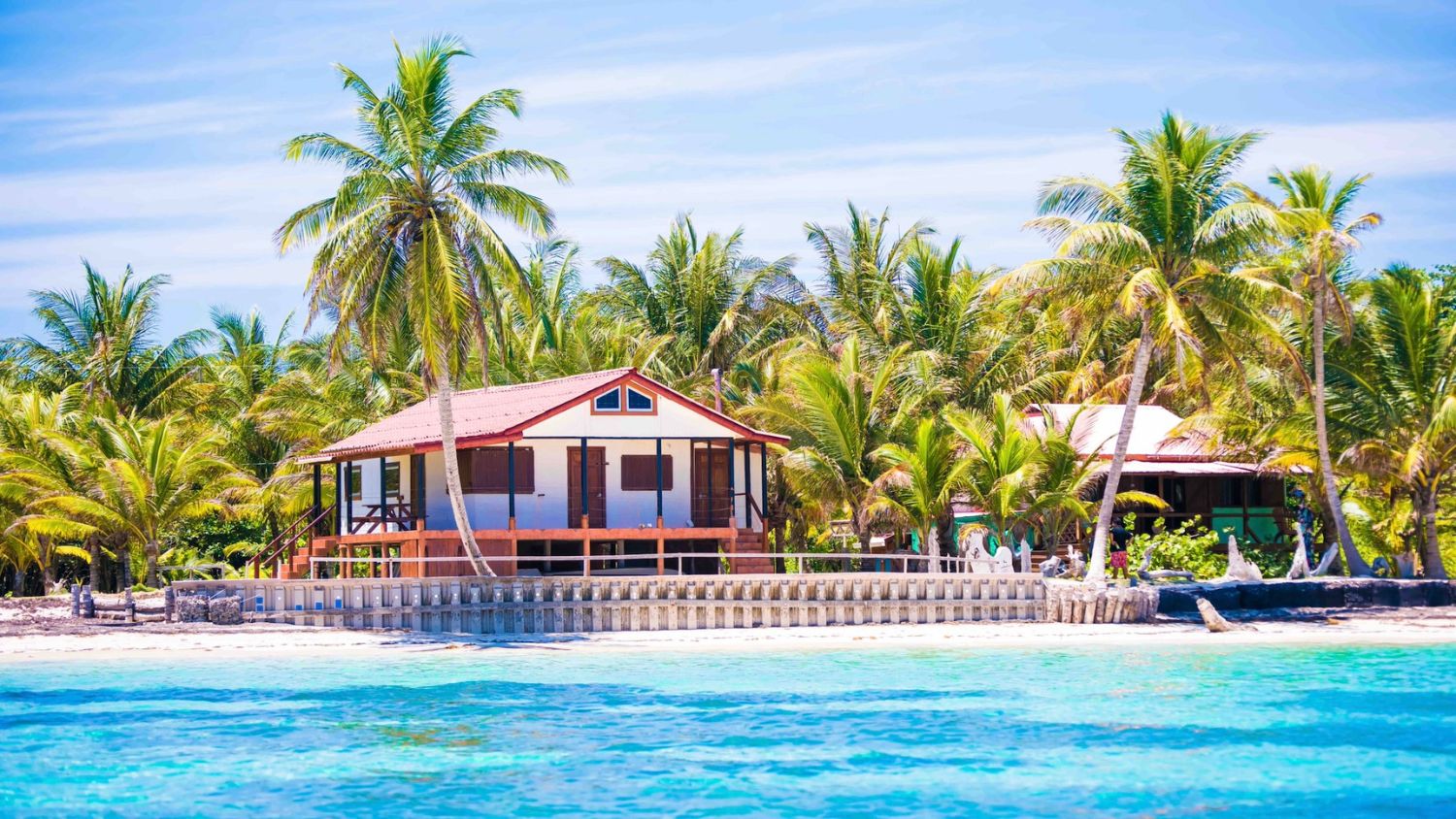
AN ENGLISH-SPEAKING country with a distinctly Caribbean vibe, Belize embodies casual, barefoot luxury. I stayed at Alaia Belize, an Autograph Collection property located just 600 yards from the Belize Barrier Reef on the island of Ambergris Caye. During the day, I zipped through town on a golf cart and made my way to Secret Beach, where I floated in clear, bathtub-warm water before returning to the resort for cocktails at the pool bar. Dinner that evening was a sunset seafood feast at Vista Rooftop. On another day, I quite literally swam with the nurse sharks off a boat at Shark Ray Alley in the protected Hol Chan Marine Reserve. They were harmless, but it was a thrilling adventure that proved to be the perfect prelude to unwinding with a guided mixology experience at the hotel’s cocktail lounge, Arlie’s.
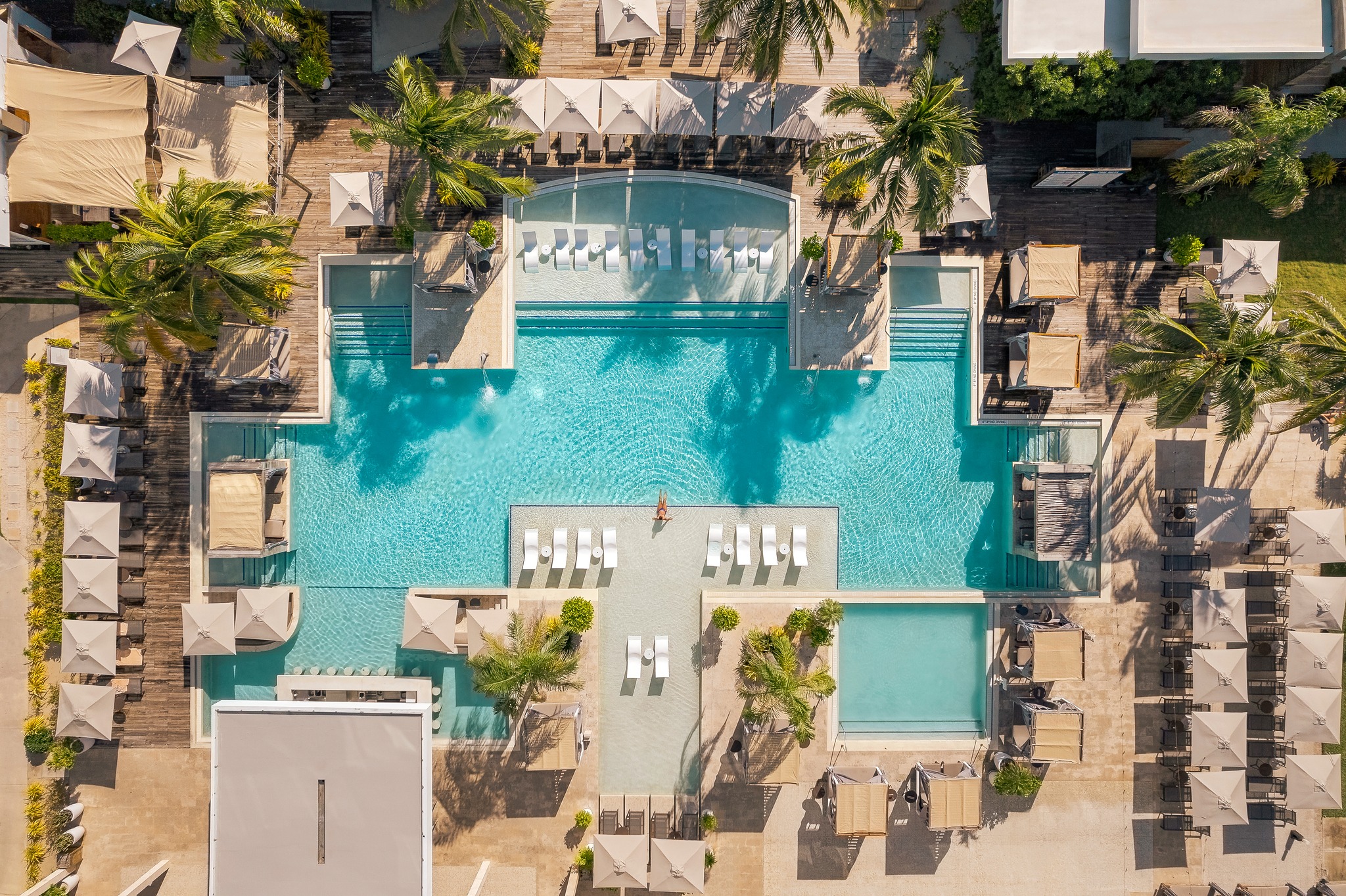
Courtesy of Alaia Belize
2. Costa Rica
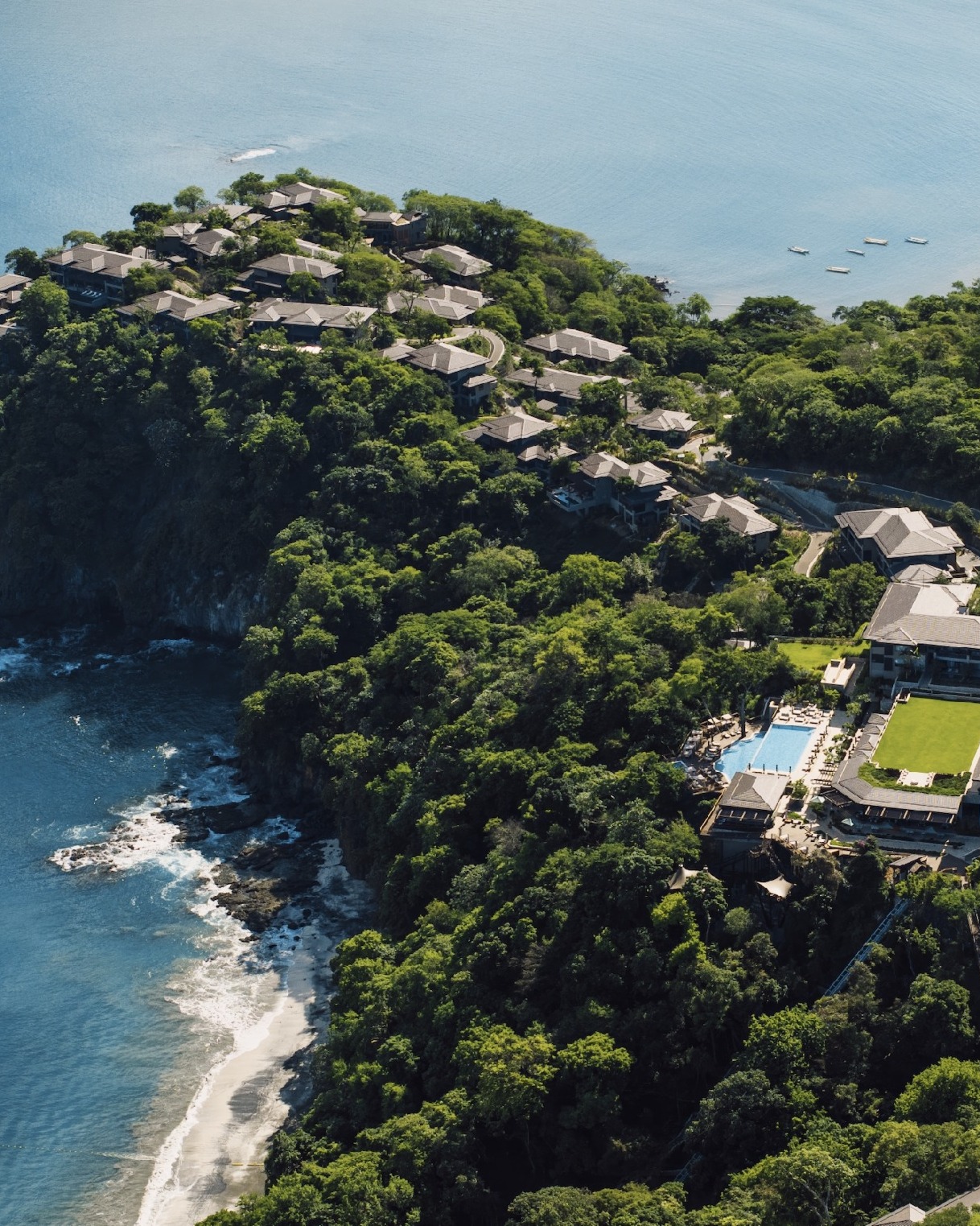
Where Costa Rica’s cultural soul meets refined seclusion—Nekajui’s art-filled spaces, treetop sanctuaries, and ocean views invite total immersion in nature and calm. Photo courtesy of Nekajui, a Ritz-Carlton Reserve
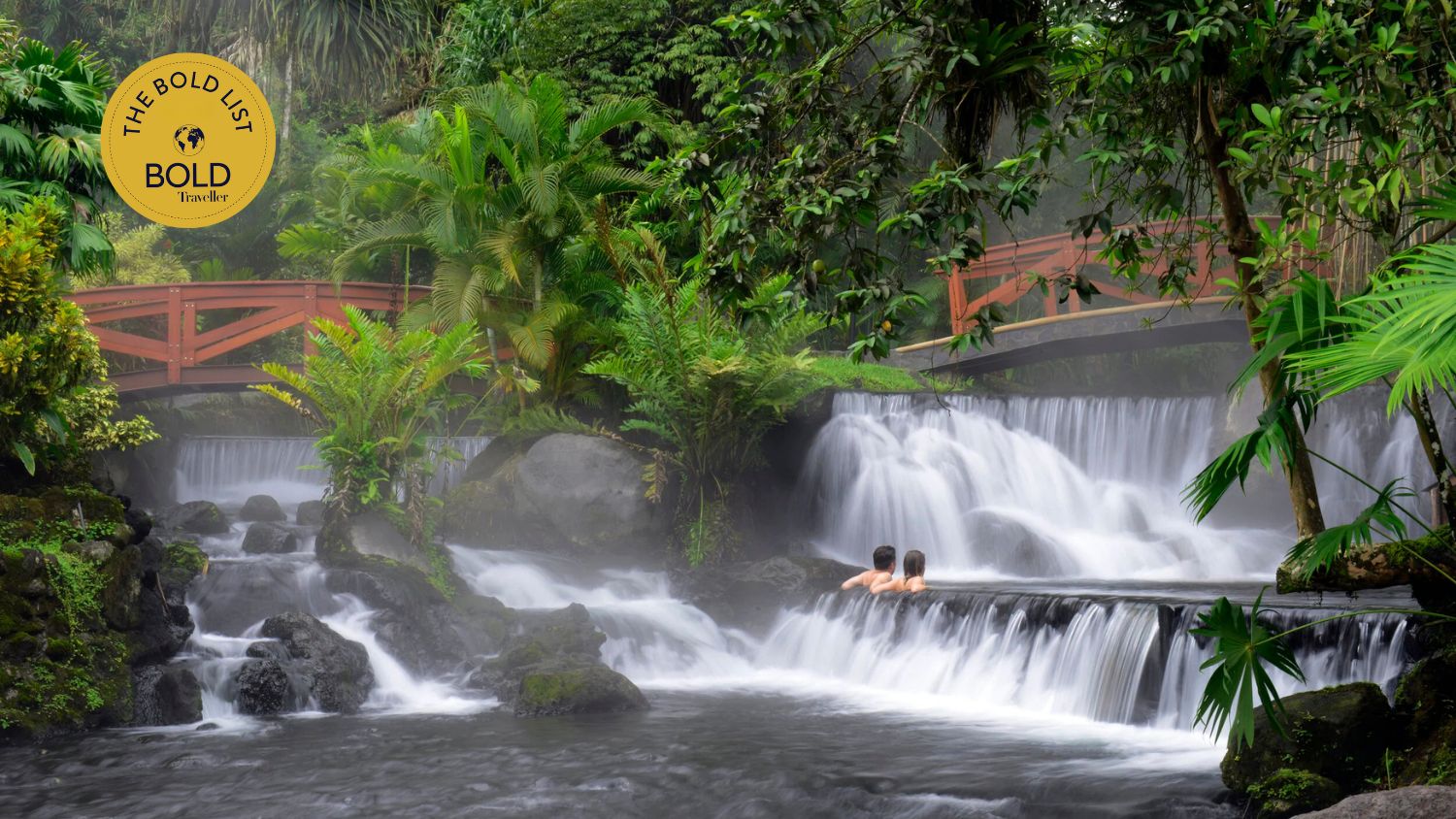
ONE OF CENTRAL AMERICA’S most visited destinations, Costa Rica is celebrated for its wildlife and the many national parks and protected rainforests that shelter them. The country has long attracted eco-minded travellers, but a new wave of top-tier openings is adding a polished, luxe layer to its jungle offerings. Last year, Waldorf Astoria Costa Rica Punta Cacique and the cliffside Nekajui, a Ritz-Carlton Reserve, on Peninsula Papagayo joined the roster of high-end retreats. This year, the all-inclusive JW Marriott Costa Elena makes its debut on the sun-drenched shores of Guanacaste. For an even more elevated and intimate experience, Villa Avellana, also in Guanacaste, offers a 10-bedroom estate within a gated enclave on its own beach, shrouded by the dry-forest canopy. Available for buyout only, it accommodates up to 23 people in a private retreat that feels both like a luxurious family home and a five-star resort. Adding to the pura vida vibe, guests here can also embark on ocean excursions aboard a crewed 42-foot luxury yacht.
3. Guatemala
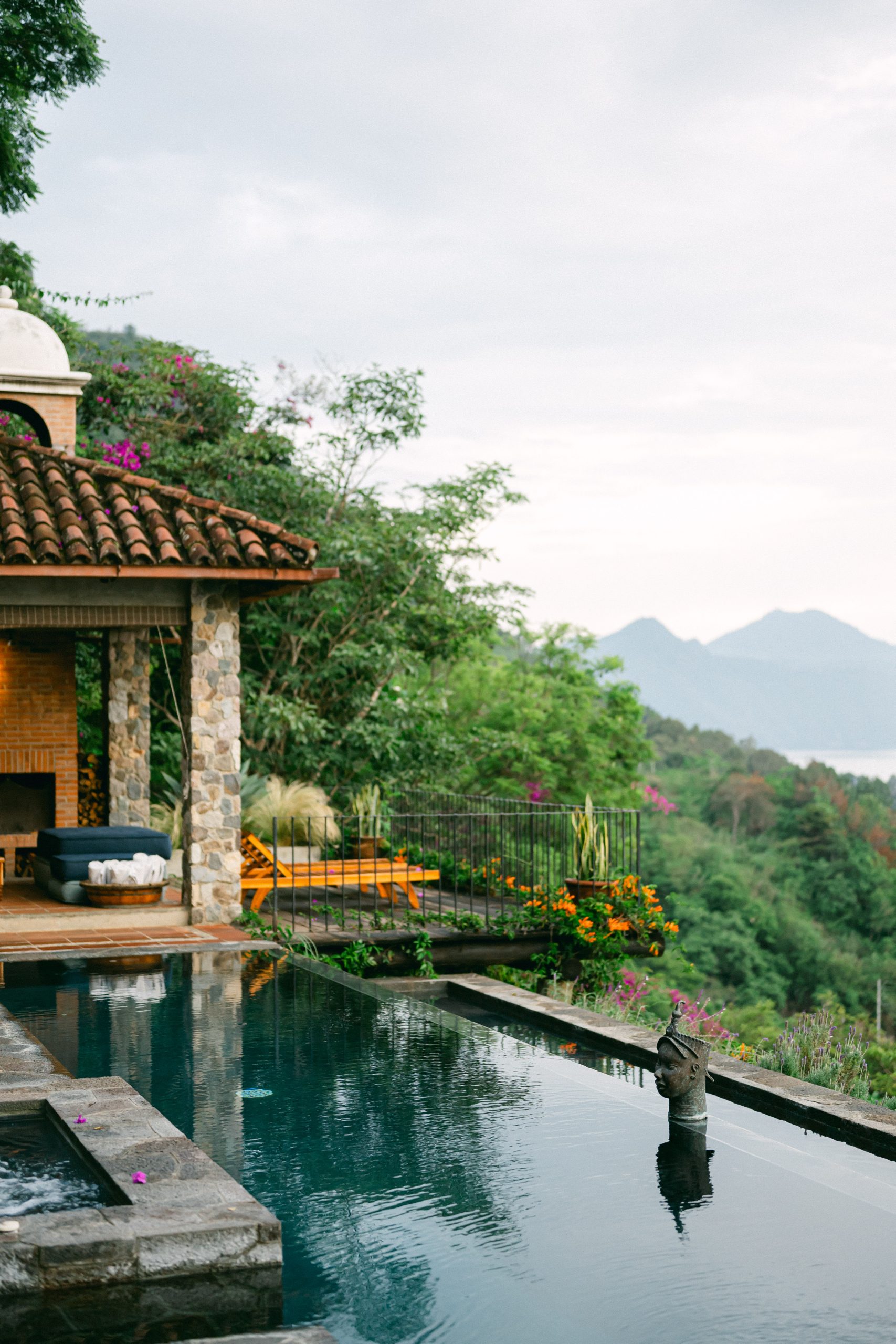
Casa Palopó sits high above Lake Atitlán, with the volcanoes Atitlán, Tolimán and San Pedro forming a dramatic backdrop.
GUATEMALA IS STEEPED in culture and blessed with beautiful landscapes, and two Relais & Châteaux properties capture the country’s essence in distinct ways. At Villa Bokéh, a six-acre botanical estate just outside the UNESCO-listed colonial city of Antigua, winding paths crisscross through bougainvillea-draped gardens and tranquil courtyards. Here, the setting shapes every moment, from welcome drinks infused with garden-grown florals to hands-on bouquet-making workshops. For a more art-forward stay, the 15-room Casa Palopó sits high above Lake Atitlán, with the volcanoes Atitlán, Tolimán and San Pedro forming a dramatic backdrop. Its design-driven approach showcases for guests Guatemala’s radiant textiles and local hand-crafted traditions, while curated experiences – such as traditional Mayan blessing rituals and boat excursions to nearby lakeside villages – deepen the cultural immersion.
4. El Salvador
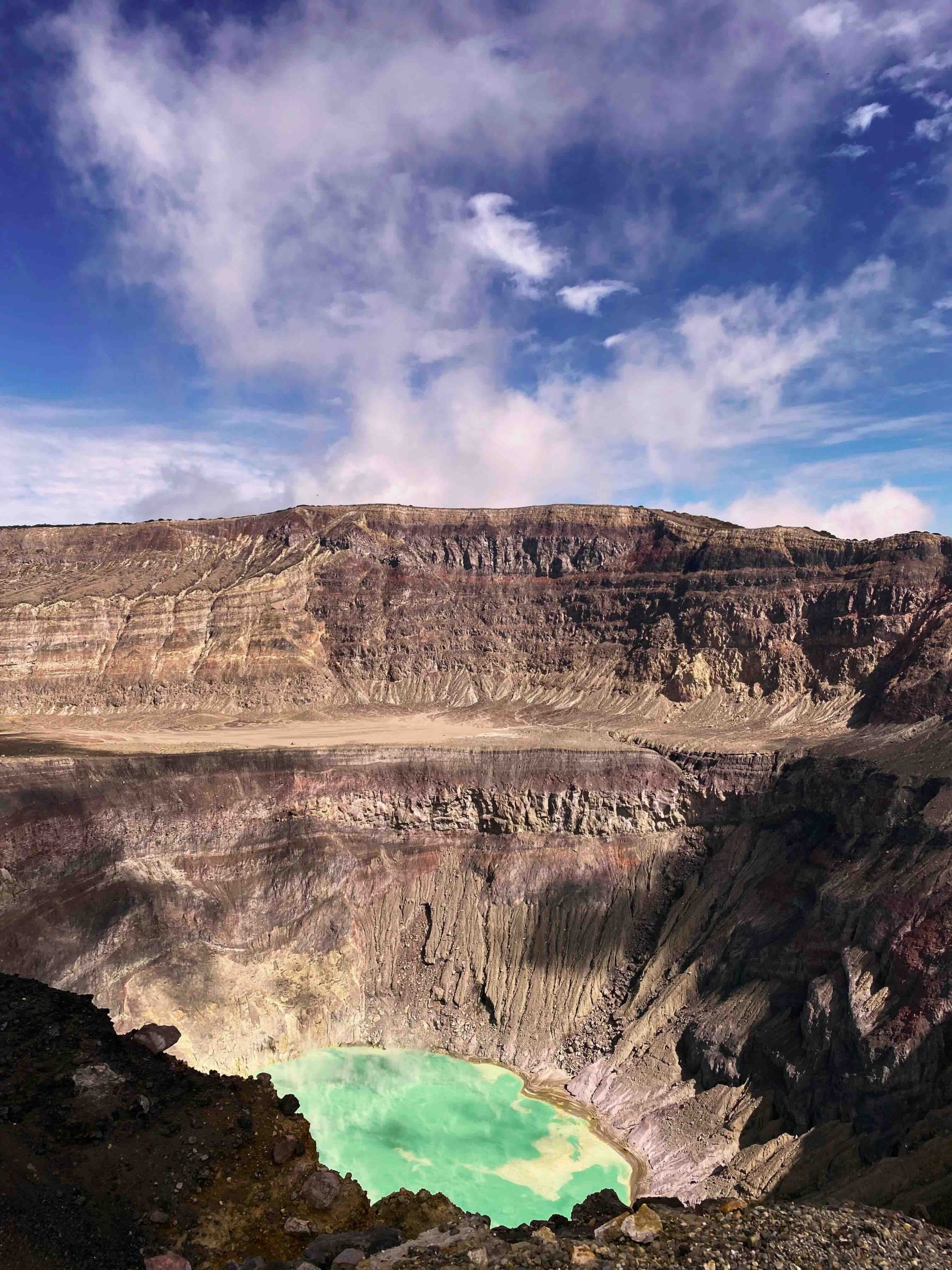
The Santa Ana Volcano (Ilamatepec) in El Salvador features a, vibrant, steaming, turquoise-colored sulfur lake within its active, 2,381-meter-high crater. By Luis Ortega
TOURISM IN EL SALVADOR, Central America’s smallest country, is surging, and wave chasers from around the world are flocking to the wild Pacific coast in search of the next big break at Surf City. My own recent journey, however, began just minutes after leaving the airport, with a stop at one of the ubiquitous roadside eateries serving a signature Salvadoran specialty: pupusas, handmade corn tortillas stuffed with cheese, beans or other fillings and served hot off the griddle with curtido, a tangy, lightly fermented cabbage slaw. I later worked off the local specialties at Cerro Verde National Park, where I spent several hours hiking up the nearly 2,400-metre Santa Ana Volcano. Almost as satisfying as the pupusas was the otherworldly reward at the summit – a caldera filled with a luminous turquoise sulfur lake, ringed by rugged volcano peaks, with a bird’s-eye view of the shimmering freshwater expanse of Lake Coatepeque in the distance.
5. Honduras
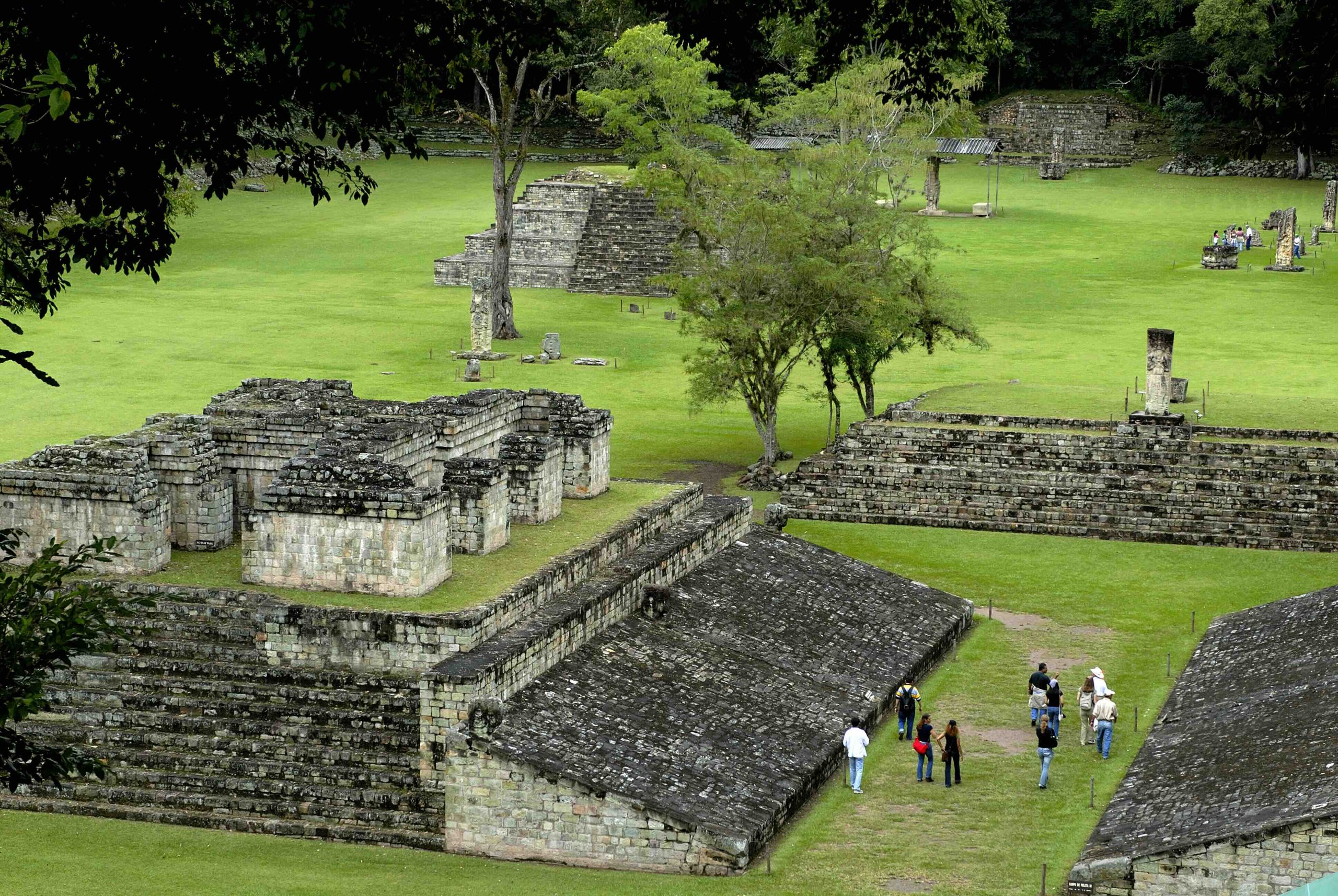
Copan, the archeological site of Mayan civilization, Honduras. Photo by T photography
THE BAY ISLANDS, especially Roatán and Utila, are Honduras’s scuba diving stars. But on a trip during the dry season, I headed west into the country’s interior to explore the extraordinary Maya ruins of Copán. On the day I visited, this so-called “Athens of the Maya World” felt entirely my own. I scaled pyramids, wandered through tunnels beneath the temples and faced off against towering stelae – stone monoliths carved with the hard, watchful gazes of gods, rulers, jaguars and other figures hewn from volcanic tuff and limestone between the 5th and 9th centuries. The site’s showpiece, the Hieroglyphic Stairway, is a marvel of ancient storytelling, with more than 2,000 intricately carved glyphs forming the longest known pre-Columbian inscription, rising skyward step by step. Today, it’s narrated not by scholars but by the squawks of rainbow-bright macaws that keep noisy vigilance over one of the Maya world’s most captivating archaeological treasures.
6. Panama
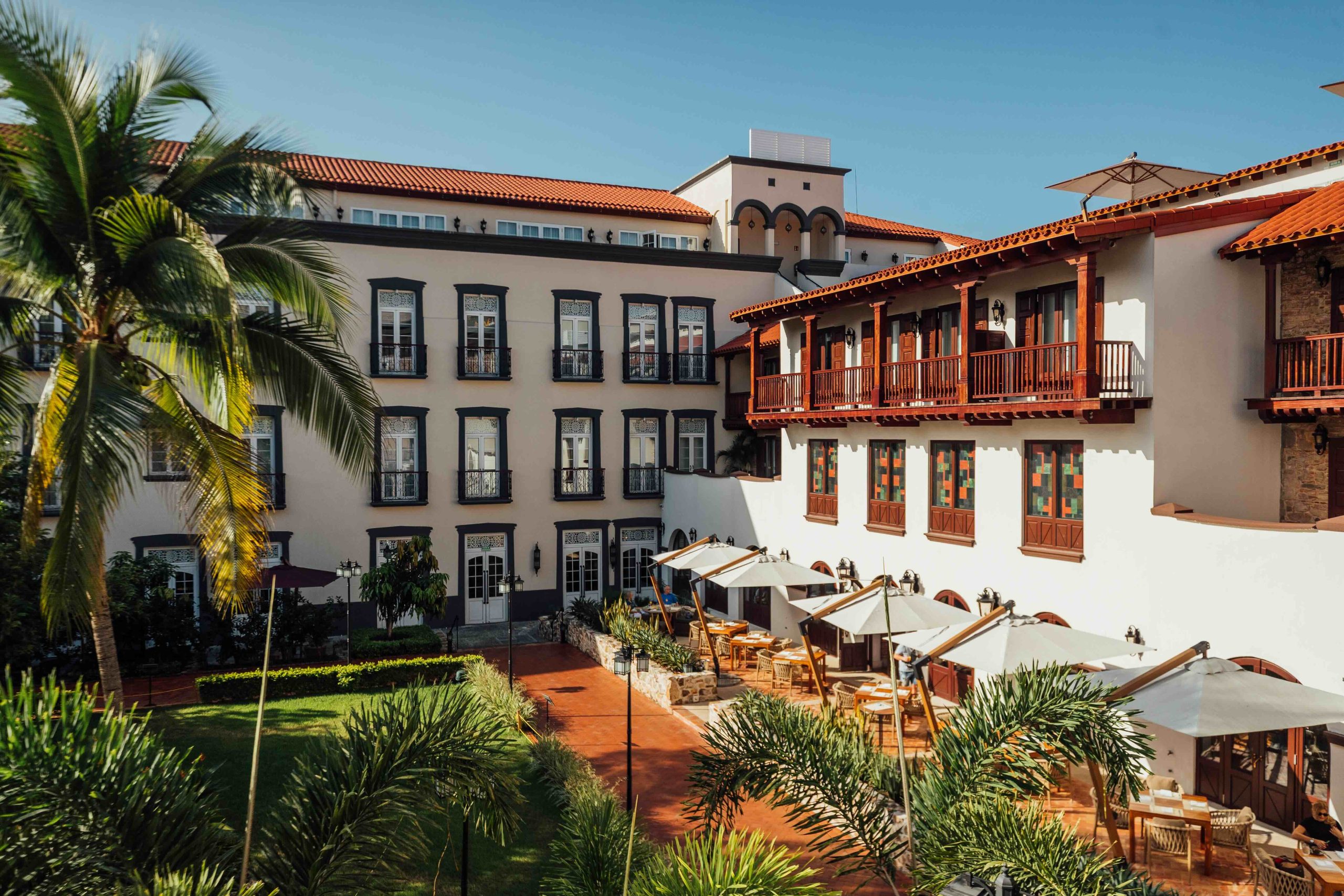
At Hotel La Compañía, history lingers in every corridor—where restored colonial elegance meets modern luxury in the heart of Panama’s old quarter.
NO TRIP TO PANAMA would be complete without watching ships glide through the famed Panama Canal. But I had another mission: to taste Elida Estate’s Geisha, one of the world’s most expensive coffees – one kilo can fetch tens of thousands of dollars – at Sisu Coffee Studio in the heart of Panama City’s Casco Viejo. Revered for its floral aromatics, this brightly acidic coffee revealed complex layers of jasmine, bergamot and tropical fruit, flavours even I, not a regular coffee drinker, could appreciate. Despite the caffeine jolt, I slept like a baby at the nearby Hotel La Compañía. Occupying a full city block, the property is a warren of three interconnected buildings surrounding a lush inner courtyard, each offering a history lesson in Panama City’s multicultural heritage. The American wing is housed in a former clothing store, the French wing a university dating to the 1700s, and the Spanish wing a 17th-century convent.
7. Nicaragua
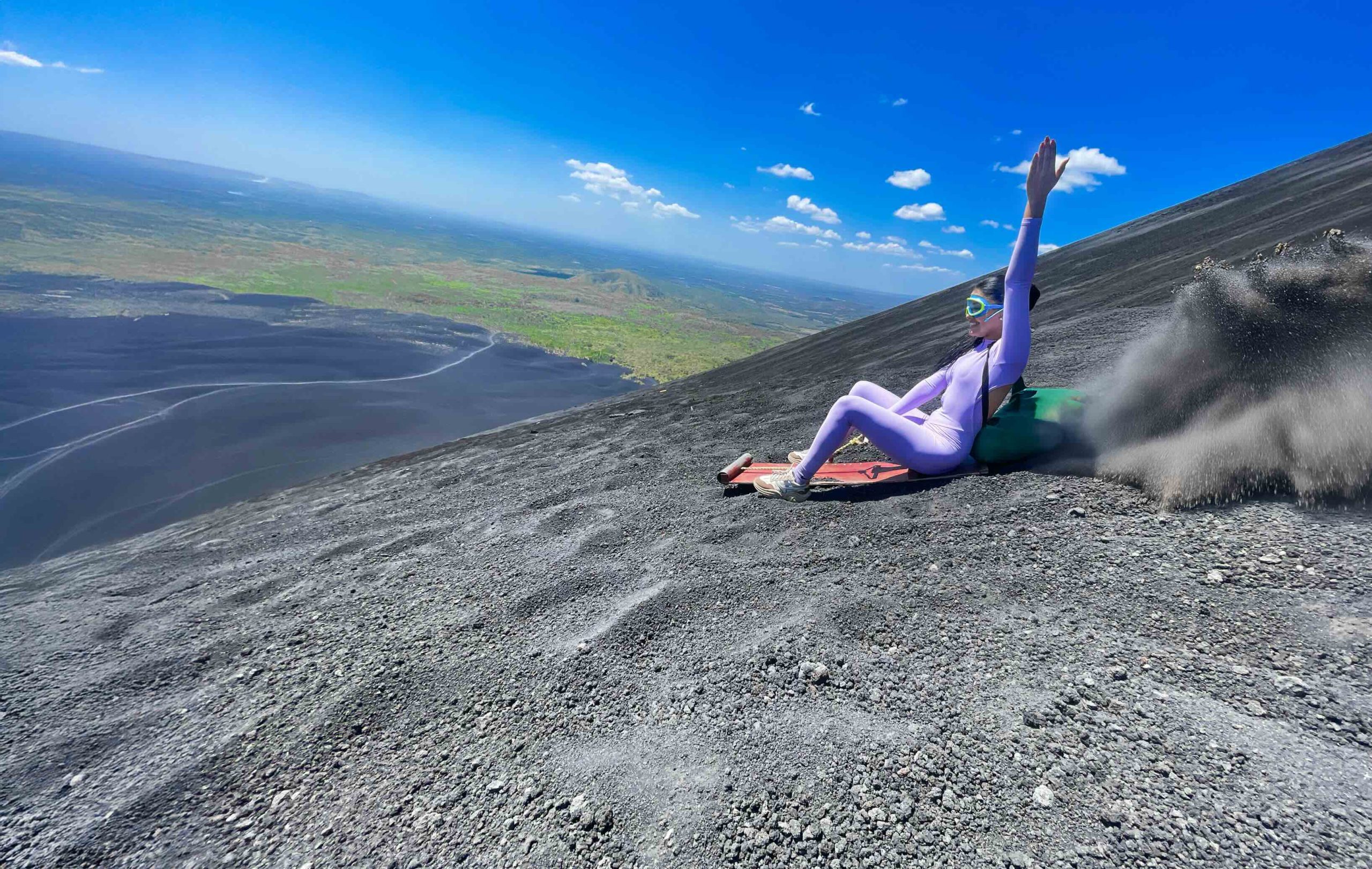
Thrill-seekers can turn up the heat at Cerro Negro, where “volcano boarders” hop onto toboggan-like wooden boards and race 400 metres down the cinder cone in mere minutes. Photo courtesy of Visit Nicaragua
NICARAGUA MAY BE CENTRAL AMERICA’S most under-the-radar destination, but it’s emerging as one of the region’s most authentic and adventurous escapes since it still retains a sense of discovery for visitors. The colonial towns Granada and León are a feast for the senses, with their vibrant streets, artisan markets and historic architecture. They’re also ideal jumping-off points for more active outings, whether kayaking or sailing on Lake Nicaragua, the largest lake in Central America, or hiking the dormant Mombacho Volcano, whose three main trails overlook Granada and the surrounding islets. Thrill-seekers can turn up the heat at Cerro Negro, where “volcano boarders” hop onto toboggan-like wooden boards and race 400 metres down the cinder cone in mere minutes.