




From delicately folded blue lobster dumplings infused with local botanicals to silken tofu artfully draped in edible gold leaf, the culinary artistry of Hong Kong is designed to be observed with deep reverence before it is tasted.
In this fiercely passionate culinary ecosystem, true luxury is found in an extraordinary, intentional duality. It exists in the quiet majesty of the city’s 77 Michelin-starred institutions, where master chefs reframe global gastronomy against the panoramic backdrop of Victoria Harbour. Yet the exact same devotion to absolute precision thrives in the unhurried, historical corners of traditional open-air dai pai dongs, neighbourhood dim sum teahouses and legendary Bib Gourmand hideaways.
With more than 17,200 licensed dining venues weaving through the city’s architectural layers, Hong Kong’s culinary landscape has entered an era of profound renaissance. This movement is driven by a deep respect for heritage, forward-thinking sustainability and an avant-garde reinvention of classic Chinese cuisine.


For the intentional traveller, here is how to navigate Hong Kong’s most exceptional culinary maps.
The Avant-Garde Michelin Vanguard
When navigating the peak of Hong Kong’s fine dining scene, the options mirror the glittering complexity of the skyline. The current vanguard seamlessly bridges timeless French mastery with regional Chinese philosophy.
Among the reigning icons is Cristal Room by Anne-Sophie Pic, a breathtaking space that beautifully balances poetic French execution with expressive Asian nuances. For a broader sensory experience, the legendary three-starred Caprice delivers flawless contemporary French cuisine inside an elegant, chandelier-lit sanctuary hovering over the water.

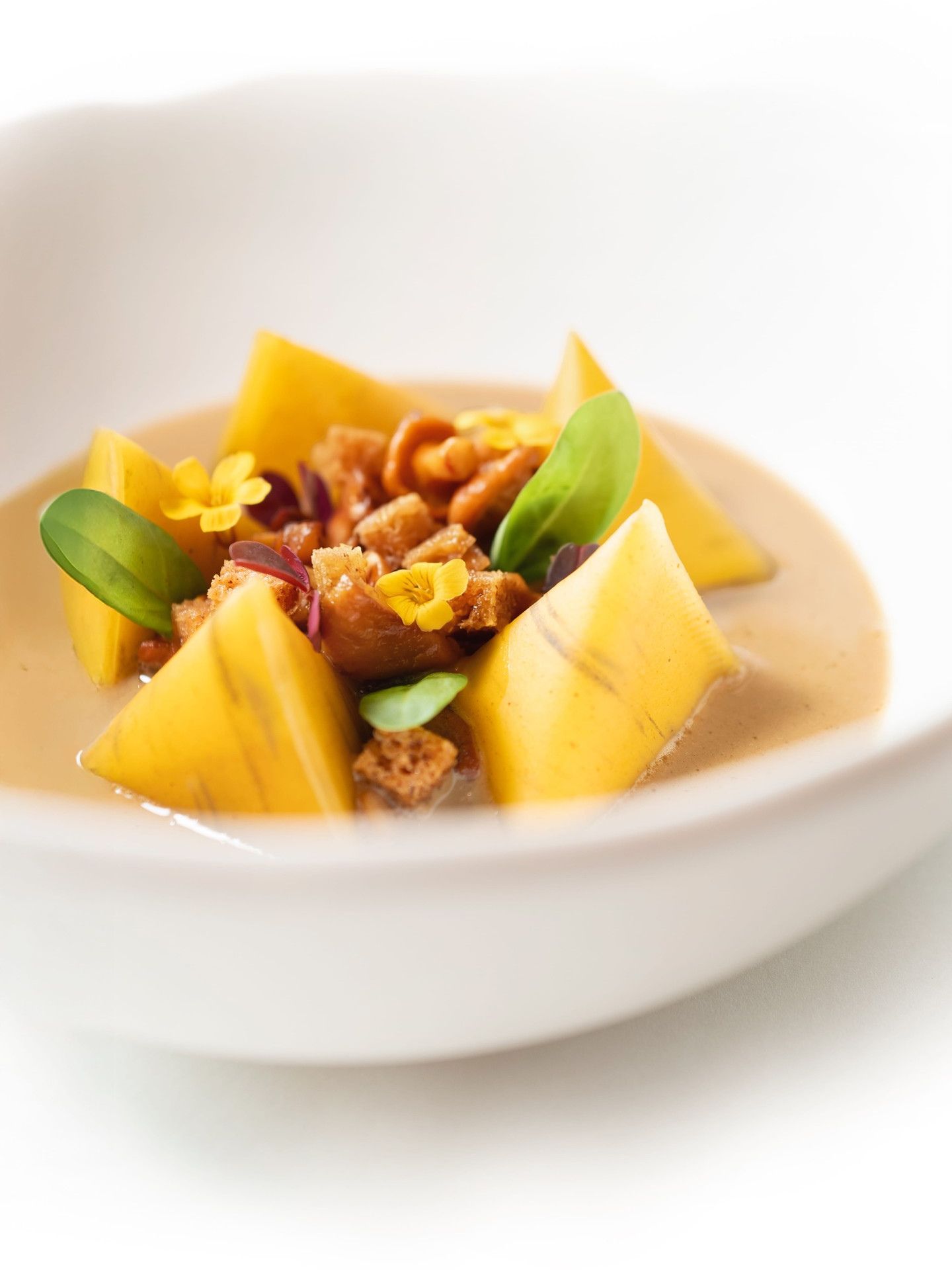
Chef Anne-Sophie Pic’s signature complexity on display: 24-month Comté in a rich champignon consommé subtly infused with Oolong and smoked vanilla. Photo: Cristal Room by Anne-Sophie Pic
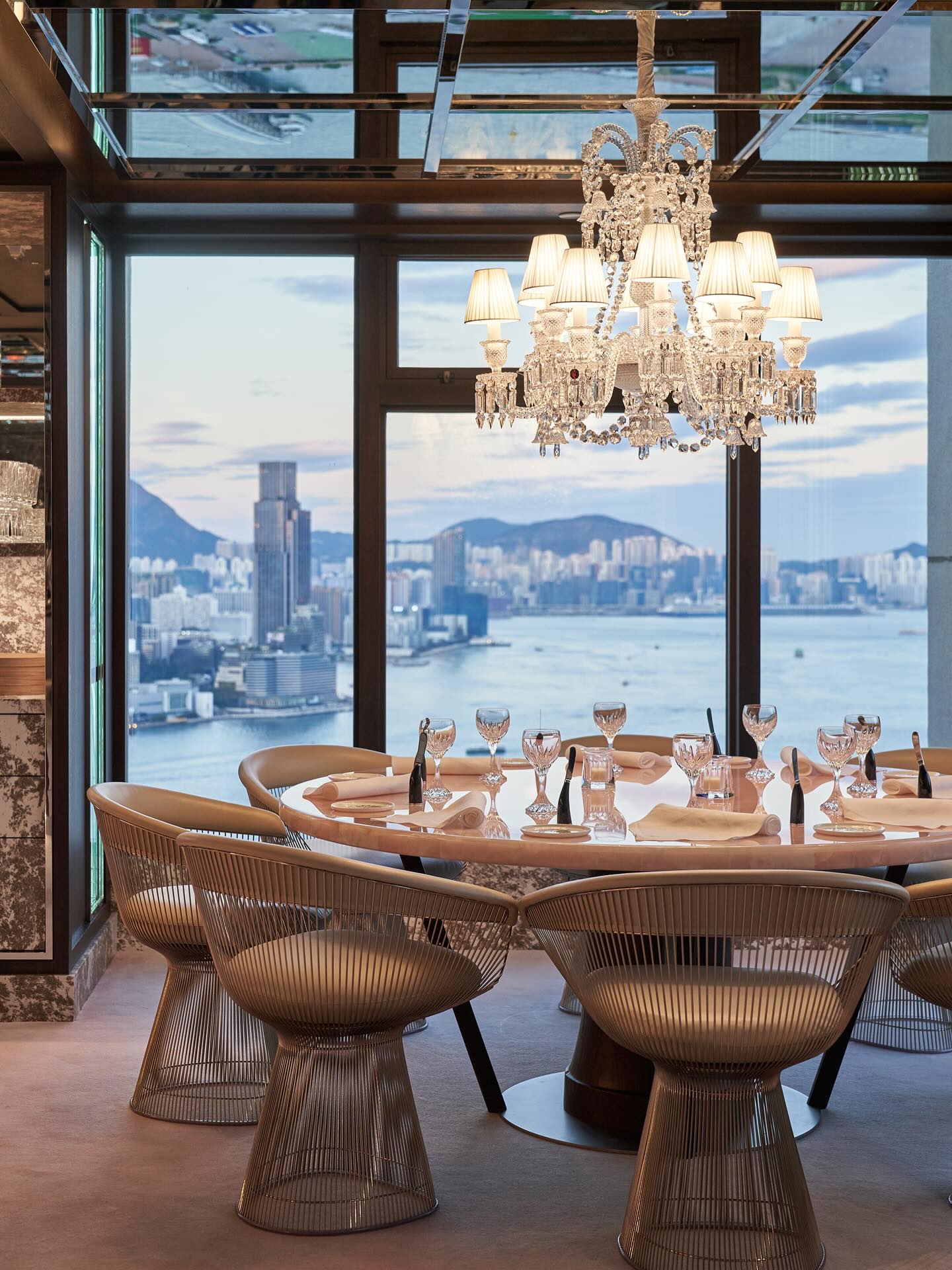
The breathtaking, crystal-laden interior of the Cristal Room by Anne-Sophie Pic, suspended over Hong Kong’s Victoria Harbour. Photo: Cristal Room by Anne-Sophie Pic
Conversely, Hong Kong beautifully proves that elite accolade does not require rigid formality. At Yat Lok or the iconic Tim Ho Wan, travellers can experience the sensory brilliance of world-renowned, crisp-skinned roast meats and flawlessly steamed dim sum in a completely unpretentious, heritage-rich environment.
Cultured Waterfront Views
Overlooking Victoria Harbour, a collection of elevated dining rooms has redefined the relationship between landscape and palate. These spaces allow guests to watch the iconic Star Ferry glide across the harbour by day, or absorb the dazzling multimedia choreography of the nightly light show after sundown.
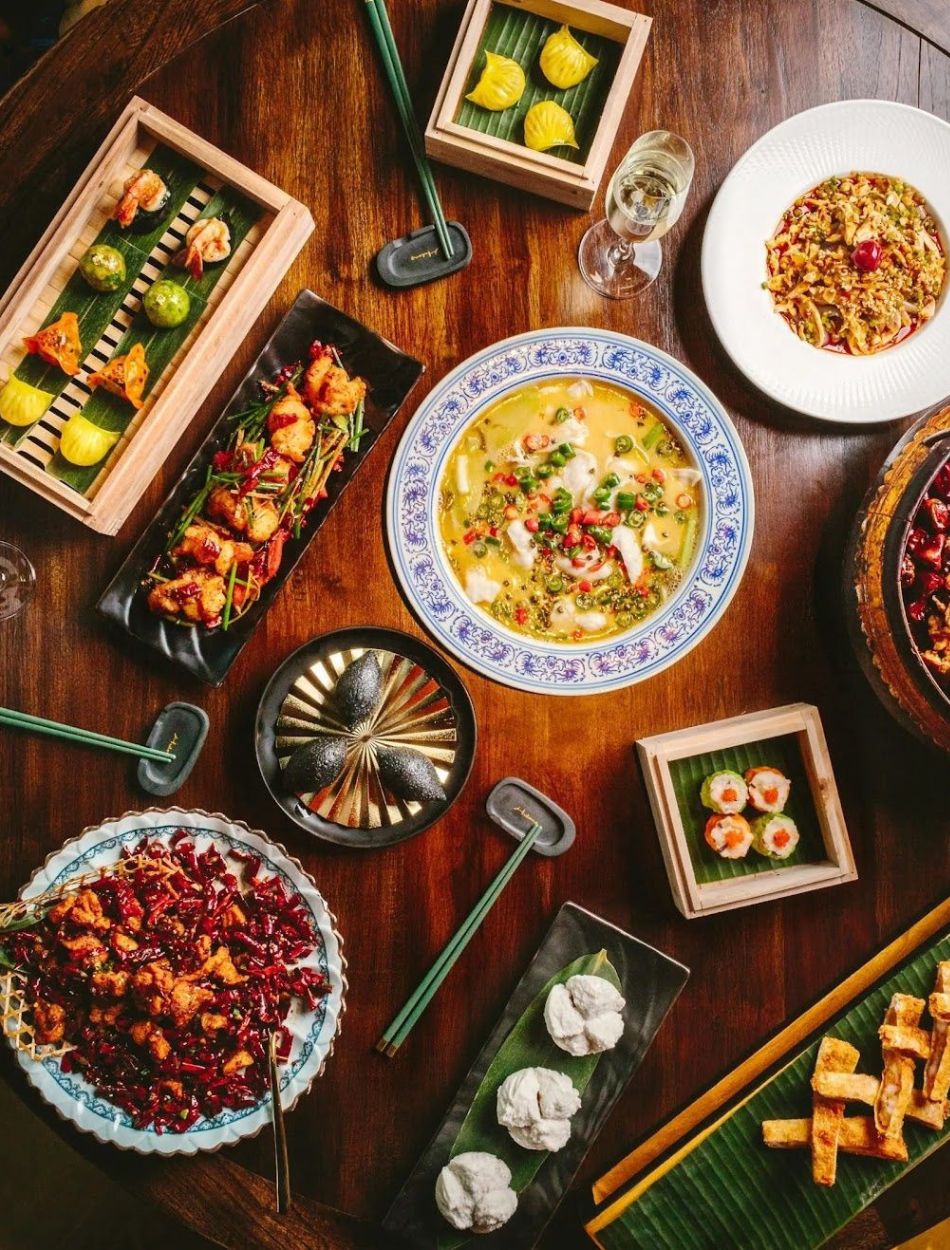
Hutong’s menu draws on the imperial kitchens of historic Peking, where skill and artistry defined every plate. From the delicate techniques of Shandong’s Lu-style cuisine to the layered heat and aroma of Sichuan spices, each dish balances subtlety with surprise.
Perched high on the 18th floor of H Zentre, Hutong offers a refined, dramatic interpretation of northern Chinese gastronomy. Its floor-to-ceiling glass panels look down upon the tide, matching the intensity of fiery Sichuan peppers with cocktails infused with rare Chinese botanicals.
Equally compelling is Chinesology, which introduces experimental textures to Cantonese traditions without ever losing sight of ancestral culinary arts. Their beverage program pays homage to ancient herbology with highly curated elixirs like Bamboo Punch and Chinese Apothecary.
The Global Epicenter of Mixology
Hong Kong’s cocktail culture does not merely follow global trends; it dictates them. The city’s status as a global nightlife titan was firmly cemented when it played host to the prestigious World’s 50 Best Bars global awards ceremony.
At the forefront of this movement is Bar Leone in Central, which has captured international acclaim for its deeply intentional revival of classic Italian bar culture, emphasizing flawless craftsmanship and unpretentious hospitality. Nearby, inside the Four Seasons Hotel, ARGO pushes scientific boundaries by utilizing ethically sourced Asian ingredients alongside innovative concepts like molecular-aged spirits.
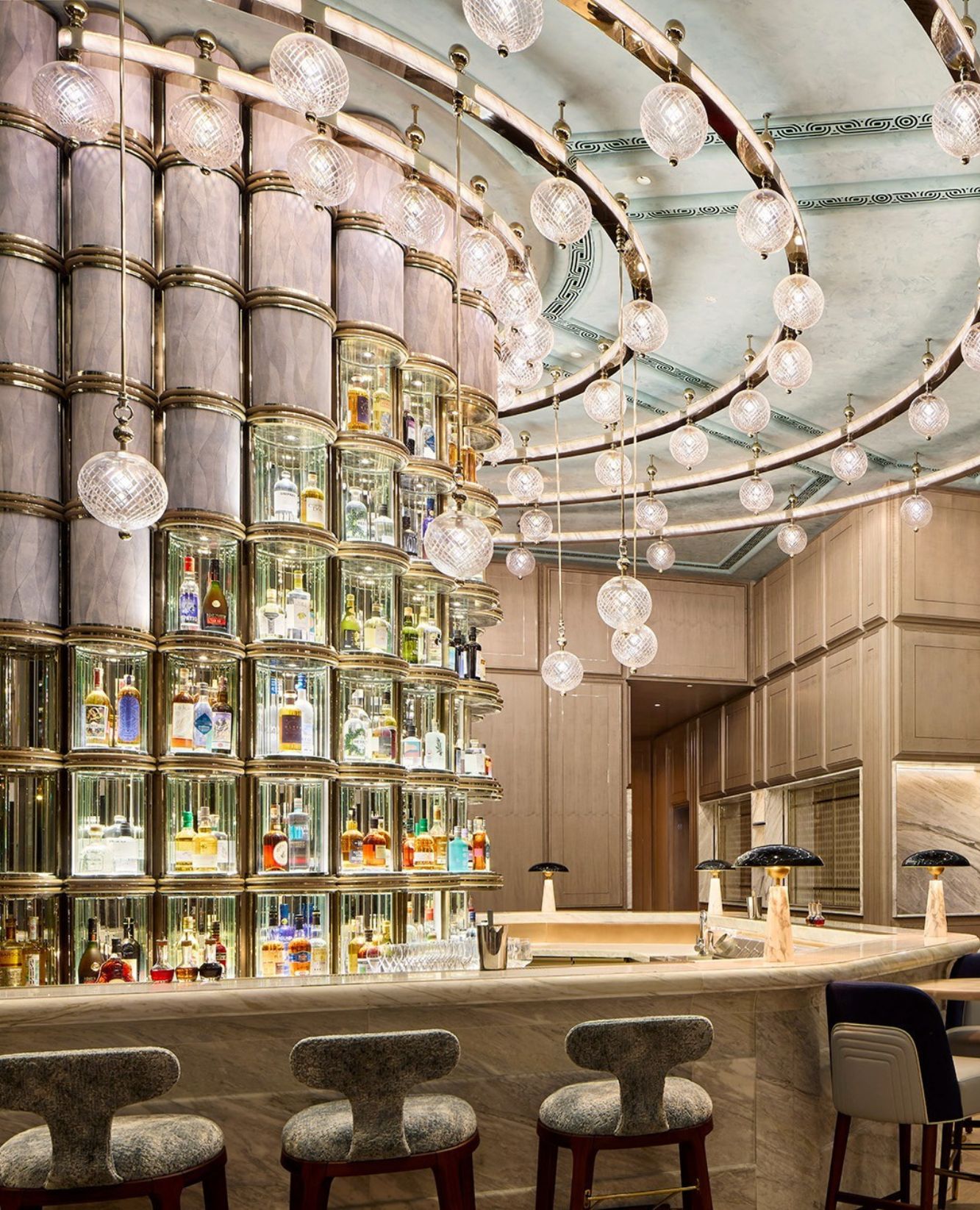
Center stage at ARGO: the breathtaking, double-height columns clad in 136 illuminated glass vitrines displaying a rare collection of innovative spirits at Four Seasons Hotel Hong Kong. Photo: Four Seasons Hotel Hong Kong
For a more sultry, atmospheric evening, DarkSide at the Rosewood Hong Kong sits poised above the Avenue of Stars. Here on the terrace, guests can pair rare, vintage aged spirits and exceptional cigars with panoramic views of the Hong Kong Island skyline, all set to the smooth rhythms of live jazz.
Conscious & Sustainable Gastronomy
Sustainability is no longer a peripheral concept in Hong Kong fine dining; it is a core philosophy embraced by the city’s culinary masters. A dedicated circle of visionaries has fundamentally shifted how luxury ingredients are sourced and utilized.
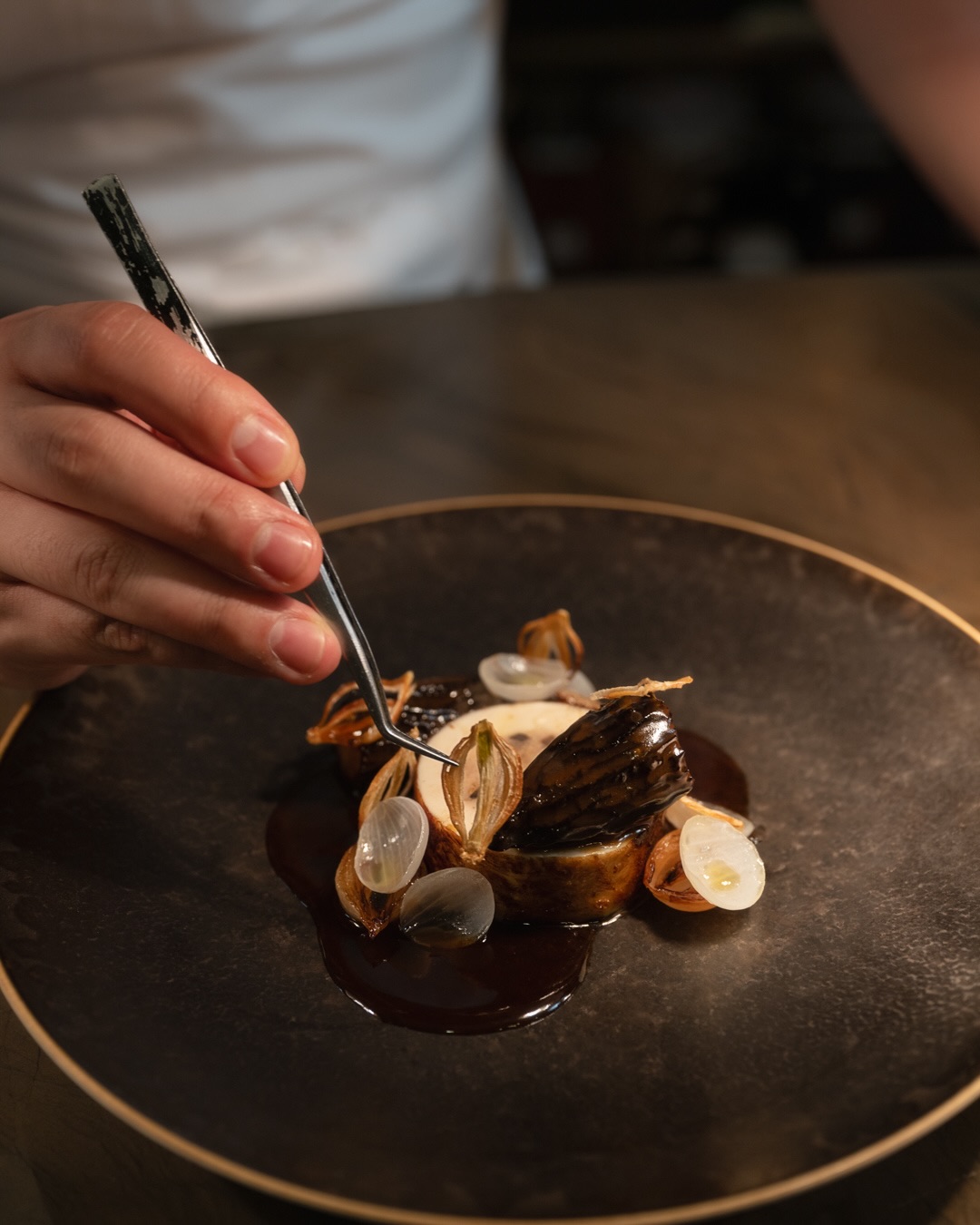
Tin Hong Chicken and Foie Gras with Yunnan Morel and a rich Albufera sauce at Amber. Photo: Amber by Richard Ekkebus
Icons like Chef Richard Ekkebus at Amber (The Landmark Mandarin Oriental) and the team at Roganic have implemented zero-waste policies and rigid regional sourcing initiatives to minimize their environmental footprints. At Amber, the kitchen relies exclusively on sustainably harvested seafood caught via precise line fishing or traditional hand diving while completely omitting species vulnerable to overfishing. These efforts are proudly recognized by the industry, with venues like Amber, Roganic, Feuille and Mora holding coveted Michelin Green Stars for their unwavering commitment to eco-conscious excellence.
Living Heritage: Street Artisans & Dim Sum Parlors
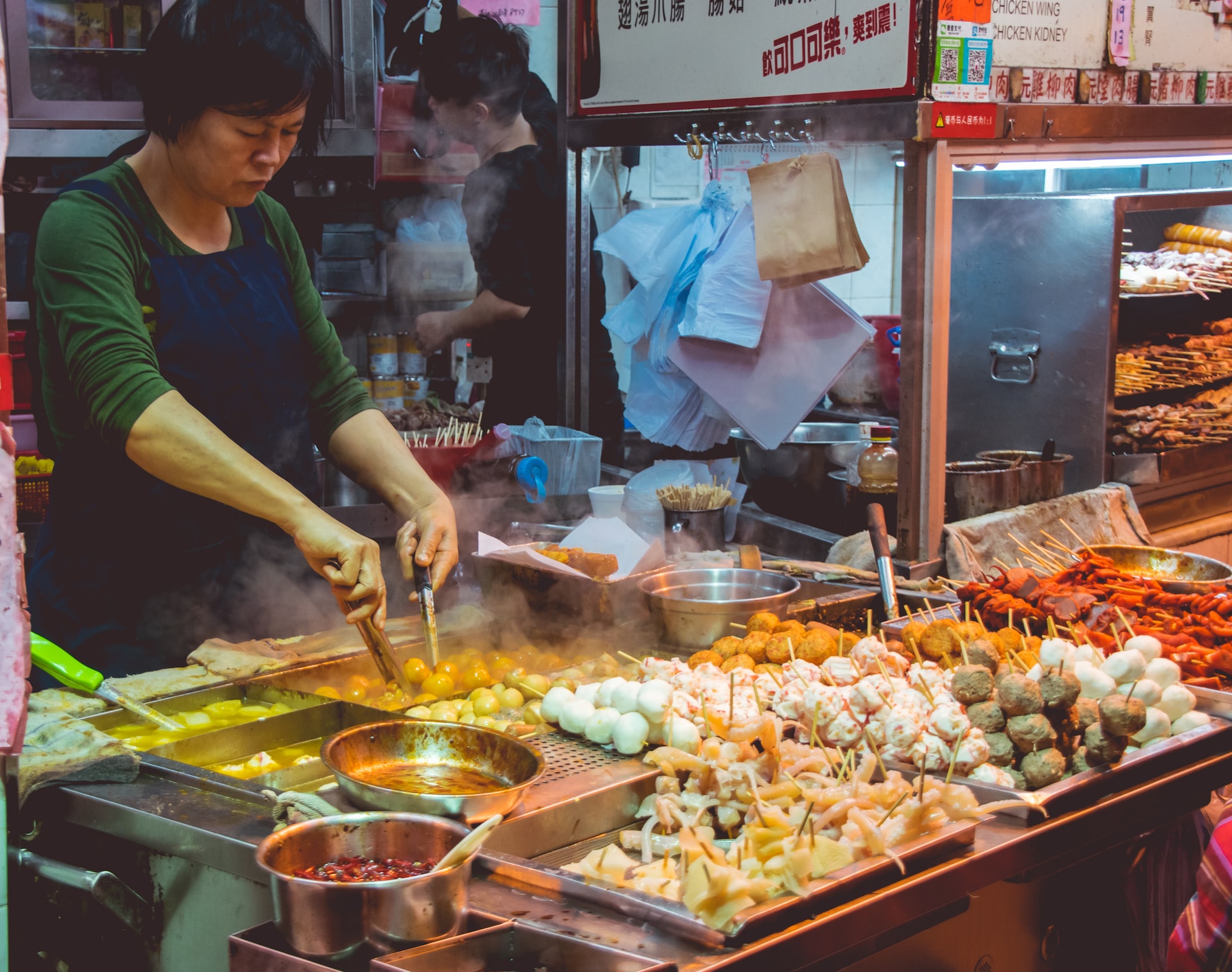
A typical Hong Kong street food stall. Photo by Vernon Raineil Cenzon
To understand the soul of Hong Kong is to embrace its street-level heritage. The city’s dai pai dongs, which are open-air, post-WWII street food stalls framed by foldable tables and glowing red lanterns, represent a living history.
Tucked beneath a flyover in Tsim Sha Tsui, the Haiphong Road Temporary Cooked Food Hawker Bazaar offers a beautifully preserved, nostalgic escape. Here, multi-generational stalls serve historic staples like Hap Hueng Garden’s velvety satay beef noodles and Tak Fat’s legendary, handmade beef balls.
Finally, no journey is complete without yum cha, the sacred ritual of morning tea and dim sum. For an unhurried, transportive experience, classic teahouses like Luk Yu Tea House surround diners with 1930s woodwork, while traditional carts stacked high with bamboo steaming baskets pass table to table. Indulging in a perfectly translucent har gow (shrimp dumpling) or a rich, baked char siu bao (BBQ pork bun) is a masterclass in culinary patience, which serves as a delicious reminder that the truest luxury always stands the test of time.
Plan Your Epicurean Journey
To fully immerse yourself in the neighbourhood secrets of this culinary capital, consider commissioning a private, expert-led heritage journey or timing your arrival with the city’s annual autumn Wine & Dine Festival. Discover more at discoverhongkong.com