



One of the things that keeps me coming back to Hong Kong is the number of worlds stretched out right in front of you. You can take in a show at the new M+ Museum in bustling West Kowloon, and less than an hour later admire a temple and beach on Peng Chau Island. Here’s how the city and the island come together to create a dual experience.
West Kowloon Cultural District (WKCD)
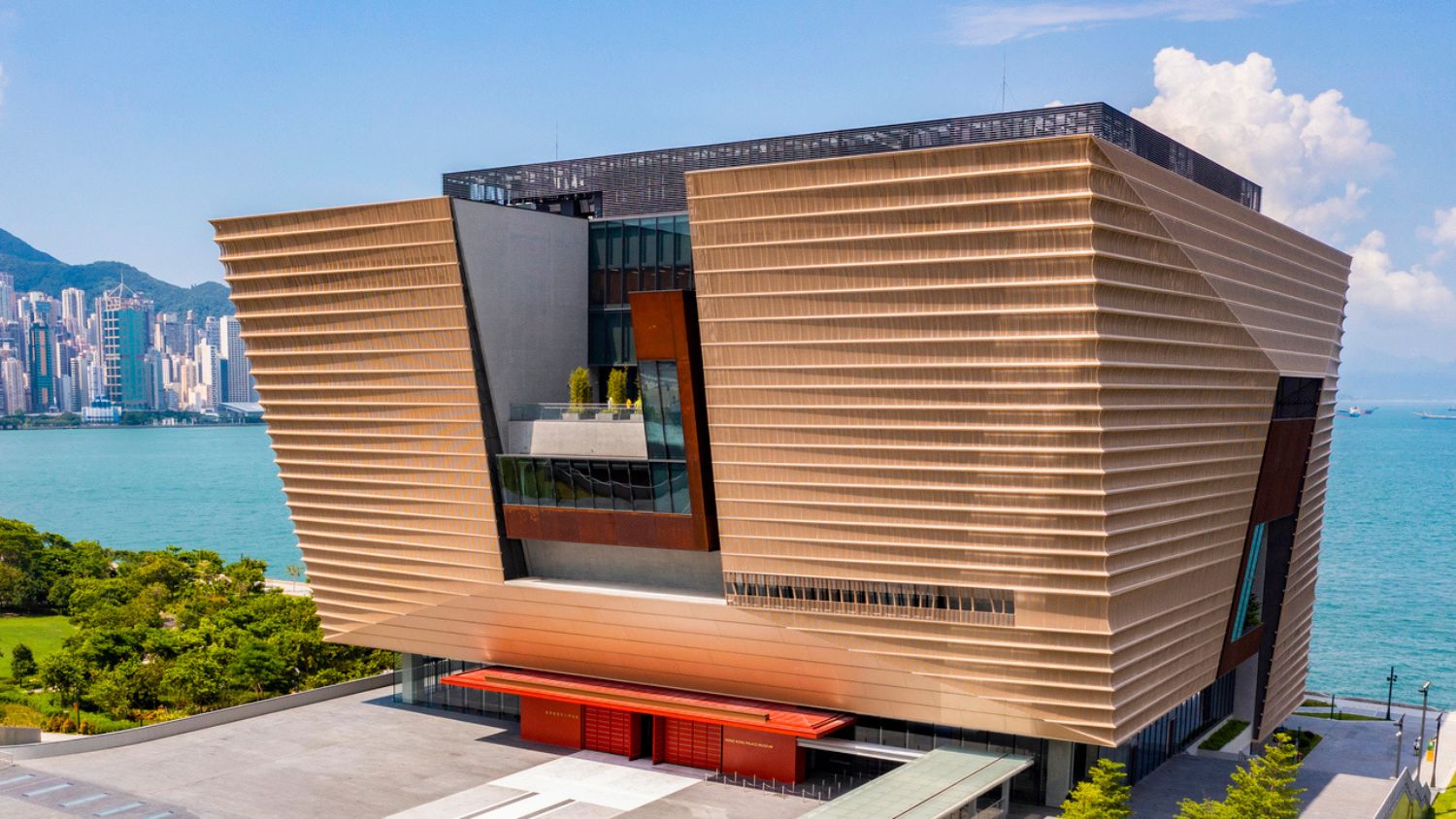
This is the newest area of Hong Kong, built on reclaimed land in storied Victoria Harbour over the past few years. The district is believed to be one of the largest public projects in the world, with 17 cultural venues and a central park. It’s also home to new, world-class museums, the Hong Kong Palace Museum and the M+. The latter is said to be Asia’s first global museum of contemporary visual culture. The Hong Kong Palace Museum focuses on Chinese art and culture and opened in July 2022.
The WKCD also includes one of the world’s most strikingly modern designs in the Xiqu Centre, which stages Chinese opera performances. The building features a tall, wavy, metallic exterior with thousands of aluminum ribs. You enter and find yourself under waves of brilliant white, thin panels and a giant, red and white coloured light fixture that’s meant to mimic a grand chandelier. It’s truly one of the most spectacular bits of architecture you’ll ever see.





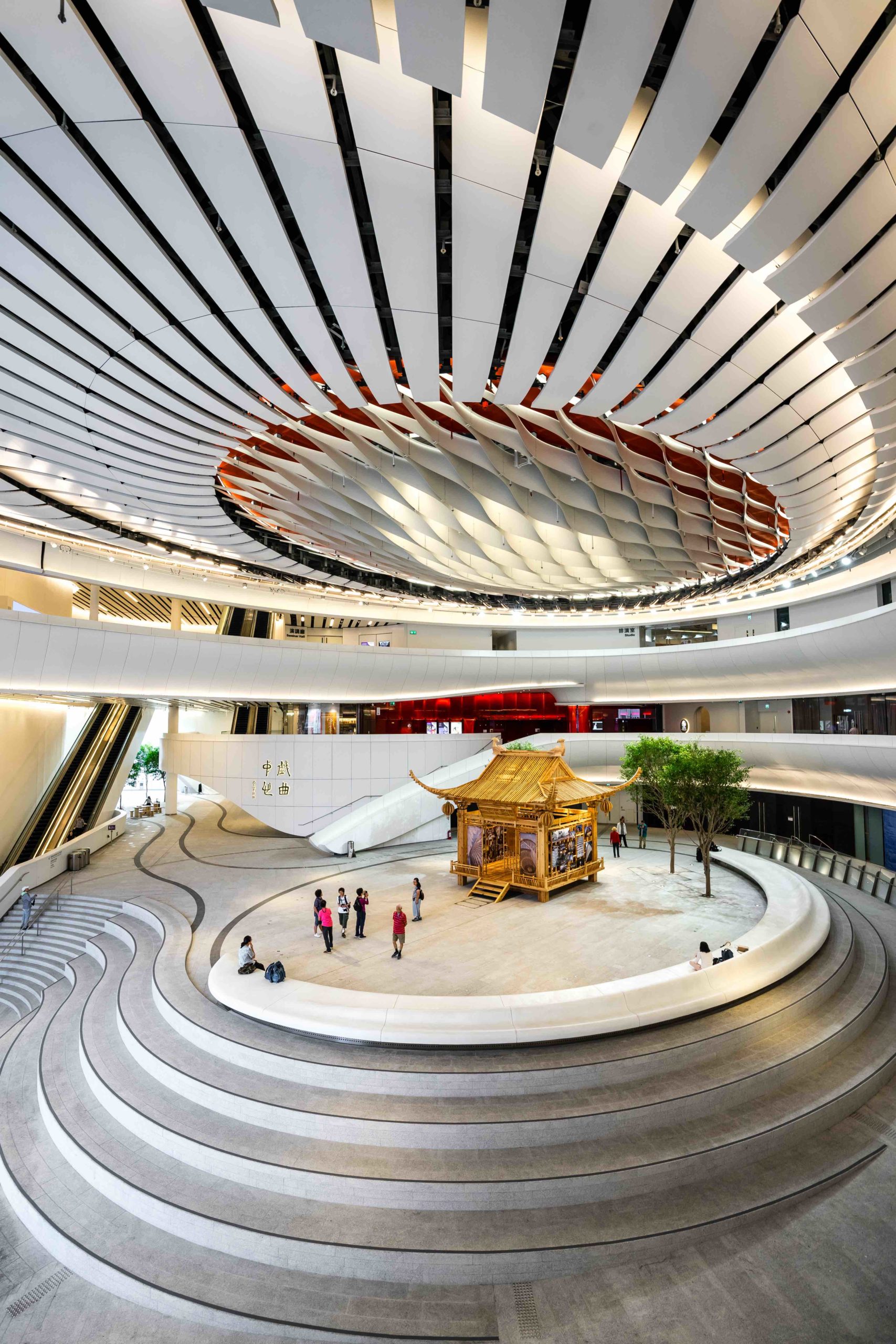
The Xiqu Centre stages Chinese opera and features a wavy metallic exterior, thousands of aluminum ribs, and a striking red-and-white chandelier-like light installation. Photo: Valeriy Eydlin/Shutterstock
The WKCD has quickly become the cultural and artistic centre of Hong Kong, a place enjoyed by locals and visitors alike. Not only is the district a hip and happening region of its own, but the views of central Hong Kong and the peaks of Hong Kong Island are astonishing. You’ll catch amazing sunsets from the west side of the district. Designers here have created plenty of open space, with wide expanses of deep green lawn, folding wooden chairs to relax on, as well as palm trees and deciduous trees. It’s less than one kilometre from the ferry dock in Tsim Sha Tsui to the WKCD. You also can take public transit to the West Kowloon station, itself an architectural masterpiece.
The West Kowloon Cultural District also includes parts of two great Hong Kong neighbourhoods: Jordan and Yau Ma Tei. Jordan is home to Hong Kong’s famous night market, where you can find everything from watches to antiques, and there are plenty of casual food stalls. Yau Ma Tei is home to carefully crafted historic buildings such as the Yau Ma Tei Theatre and the Tong Lau building on Shanghai Street.
For a stay in the heart of this energetic district, the W Hotel stands out as a stylish, five-star property. Connected directly to the Elements shopping mall, it boasts Hong Kong’s highest outdoor swimming pool, with sweeping views of the city and Victoria Harbour. The rooms feature sleek, contemporary décor, advanced in-room technology, and curated artwork that complements the district’s cultural vibe.
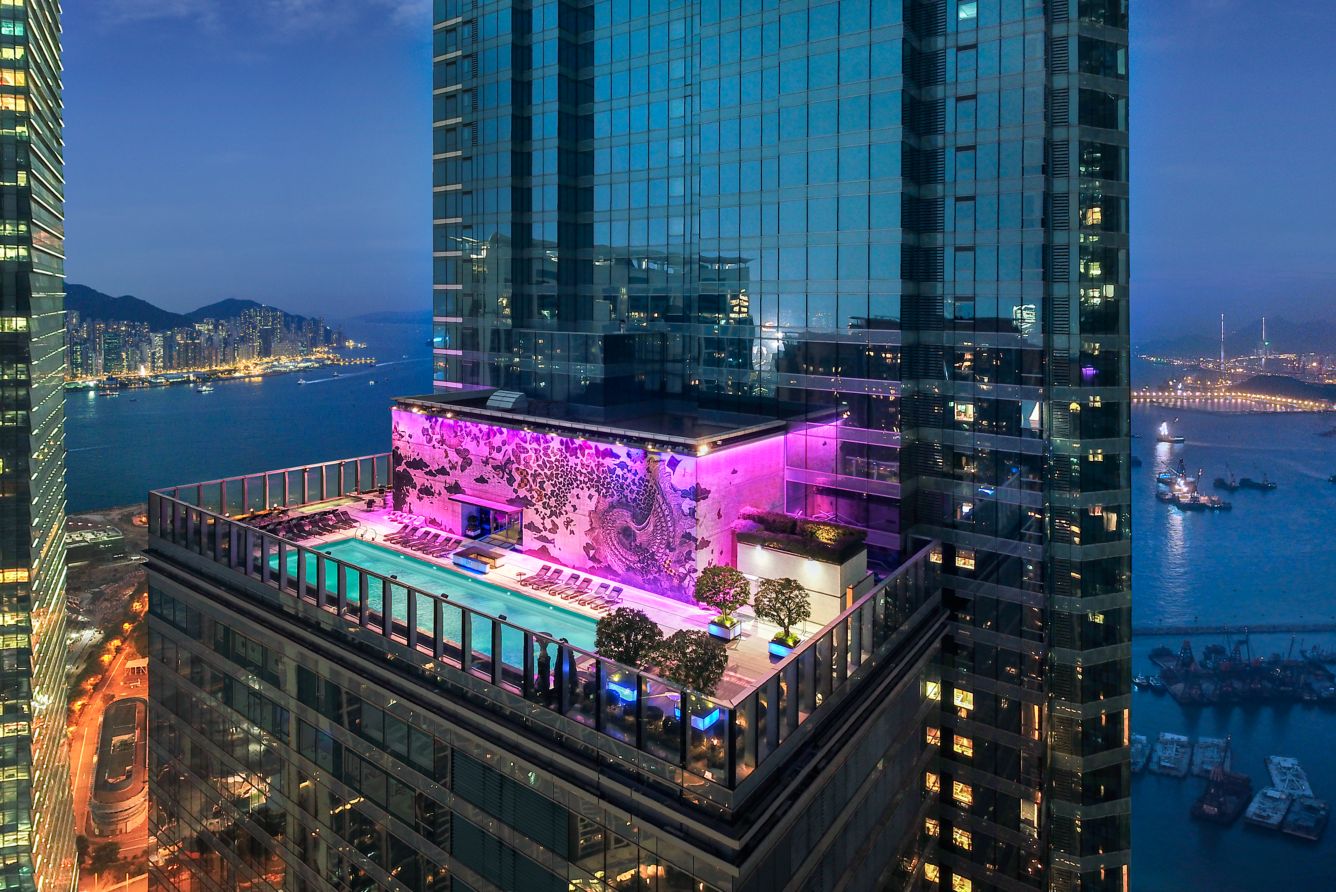
Courtesy of W Hong Kong
Alternatively, the eco-certified Eaton Hong Kong in the Jordan neighbourhood offers clean, bright rooms and thoughtful sustainability features. Its location puts you steps from bustling streets filled with street food vendors and local markets, making it perfect for immersing yourself in the neighbourhood’s character.
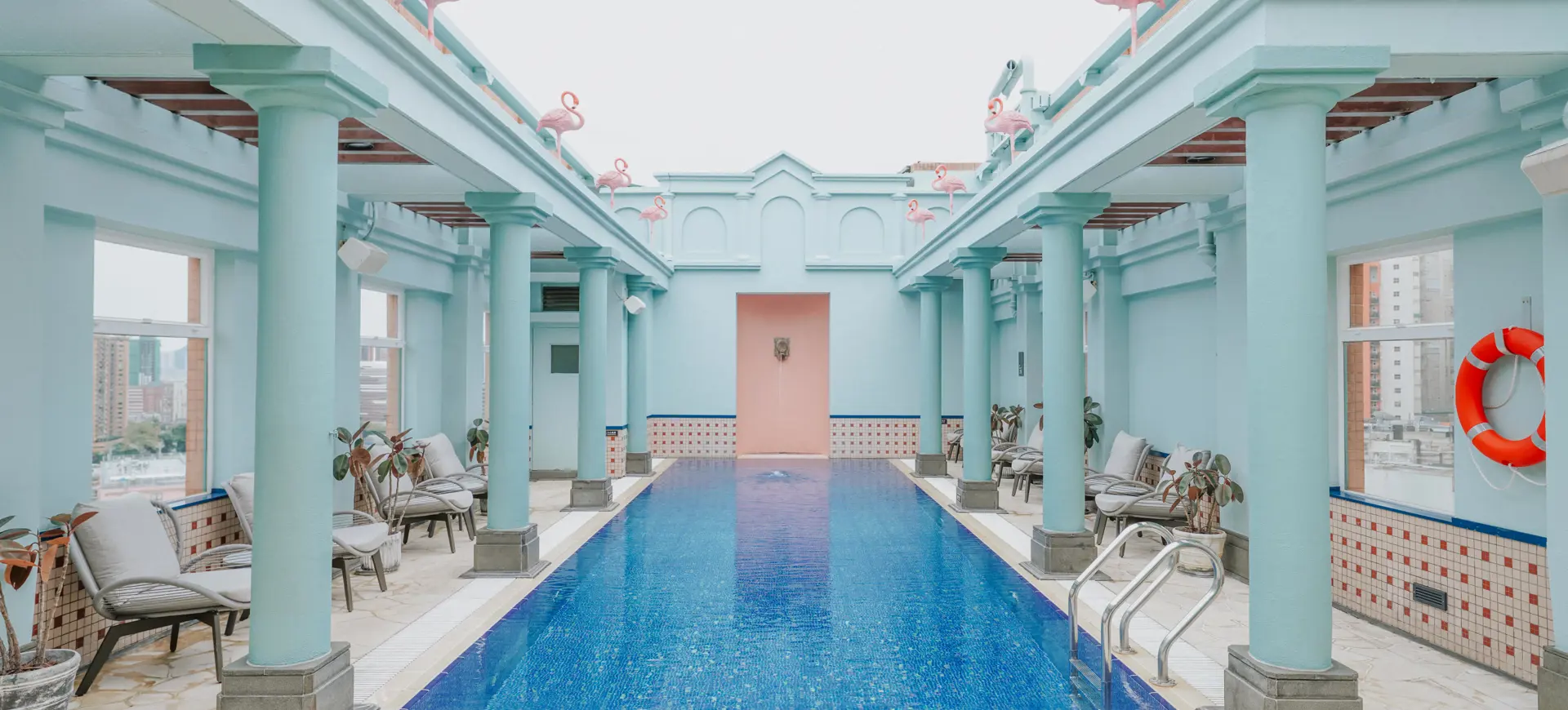
Courtesy of Eaton Hong Kong
For dining, Tin Lung Heen at the Ritz Carlton, perched on the 102nd floor, offers authentic Cantonese cuisine with stunning vistas of Victoria Harbour. Dim sum here is prepared with meticulous care, and each dish reflects Cantonese culinary traditions elevated with modern presentation. The floor-to-ceiling windows allow you to watch the harbour light up at sunset while sampling delicacies, making it as much a visual experience as a culinary one.
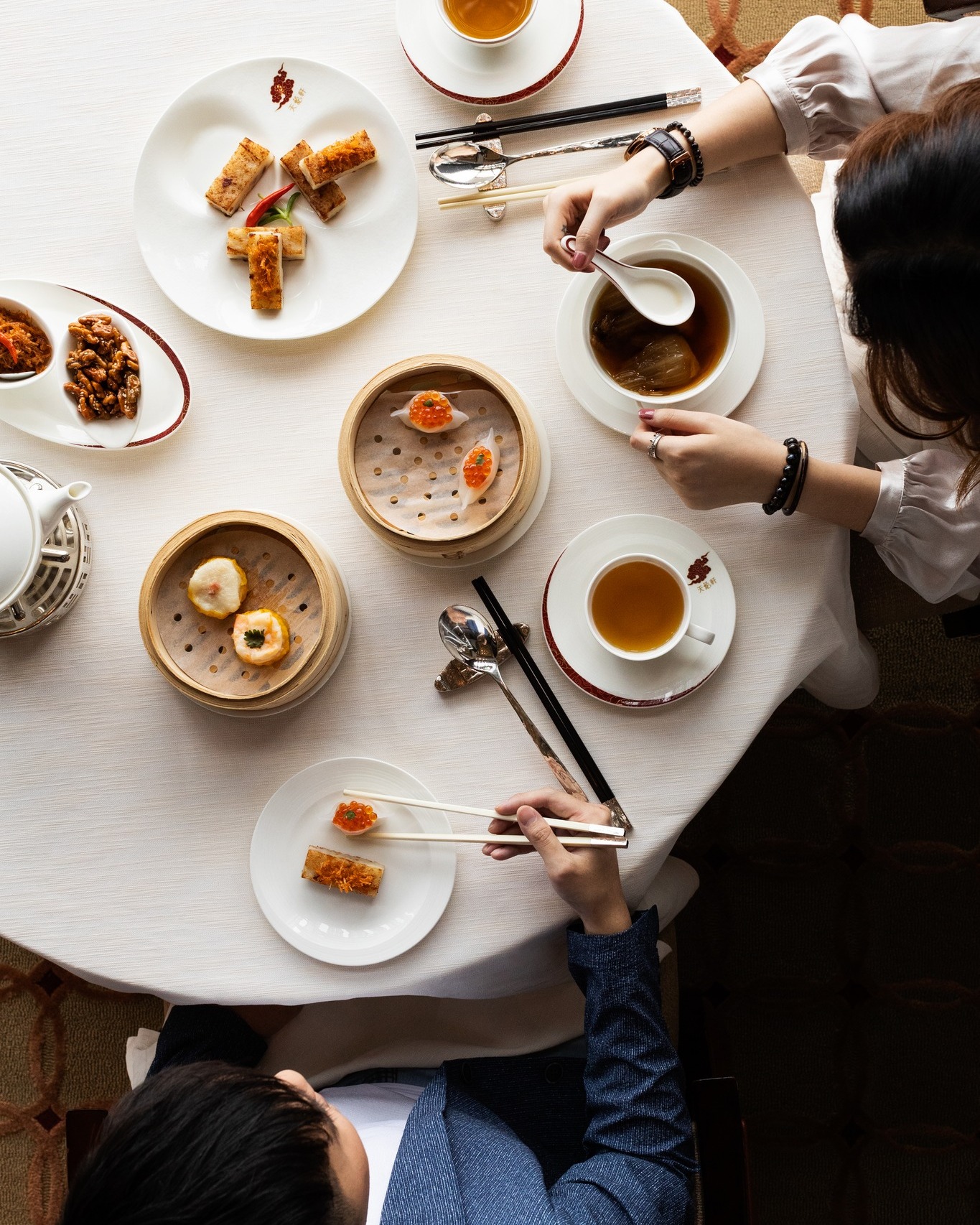
Courtes of Tin Lung Heen at the Ritz Carlton, Hong Kong
Yet, the true magic of Hong Kong lies in its radical contrasts. In less time than it takes to watch a performance at the Xiqu Centre, you can be on a ferry slicing across Victoria Harbour, trading this vision of the future for a preserved pocket of the past. Your destination: the car-free, slow-paced shores of Peng Chau Island.
Peng Chau Island
The island was once home to buzzing factories that made porcelain and other materials. Most are now closed, but their colourful walls and weathered structures make excellent Instagram photo material, and explorers will also find small art galleries scattered about. Lung Mo Temple, established in 1971 near Tung Wan Beach, stands as Peng Chau’s largest temple, with a gold-decorated interior that reflects the islanders’ deep maritime traditions. Built across from the crescent-shaped beach, it honours Lung Mo, the Chinese goddess of water, and locals believe that aspiring parents who touch the goddess’ bed are blessed with a strong marriage and a greater chance of having children.
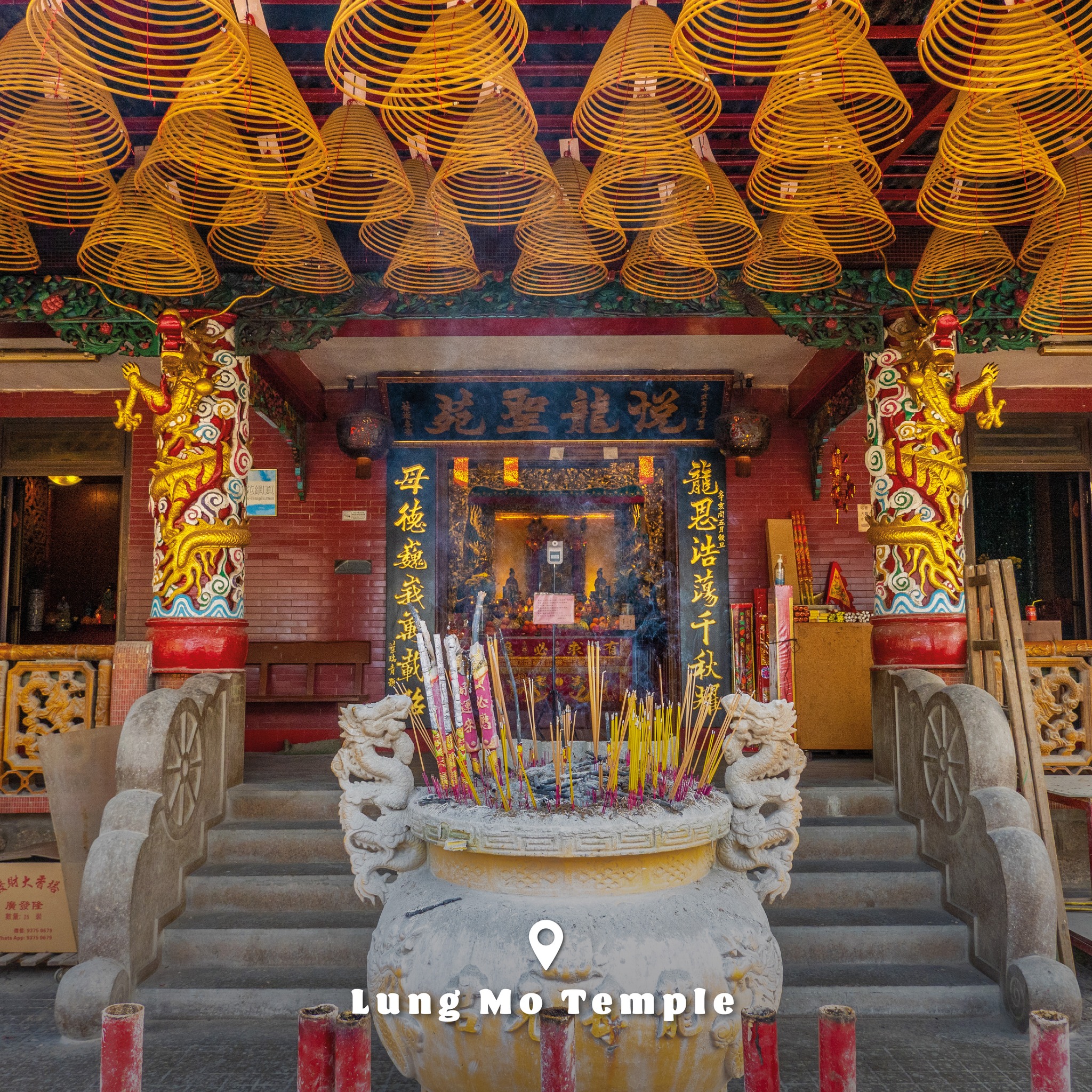
Photo courtesy of @discoverhongkong
Not far from there, Tin Hau Temple, built in 1792, celebrates the Goddess of the Sea and is recognised as a Grade II historic building. Inside, a bronze bell dating to the 1700s rings out, while outside, visitors can see a stone tablet erected by local fishermen during the late Qing dynasty—a vivid reminder of the island’s seafaring past.
At the far end of Peng Chau, a gentle climb over Finger Hill leads to Ngan Chau Tsai Pavilion, affectionately known as the “edge of the sky and corner of the sea.” From this easternmost point, panoramic views stretch across Lamma Island, the western part of Hong Kong Island, Tsing Ma Bridge, and even Hong Kong Disneyland, making it a perfect spot to pause and take in the island’s serene beauty.
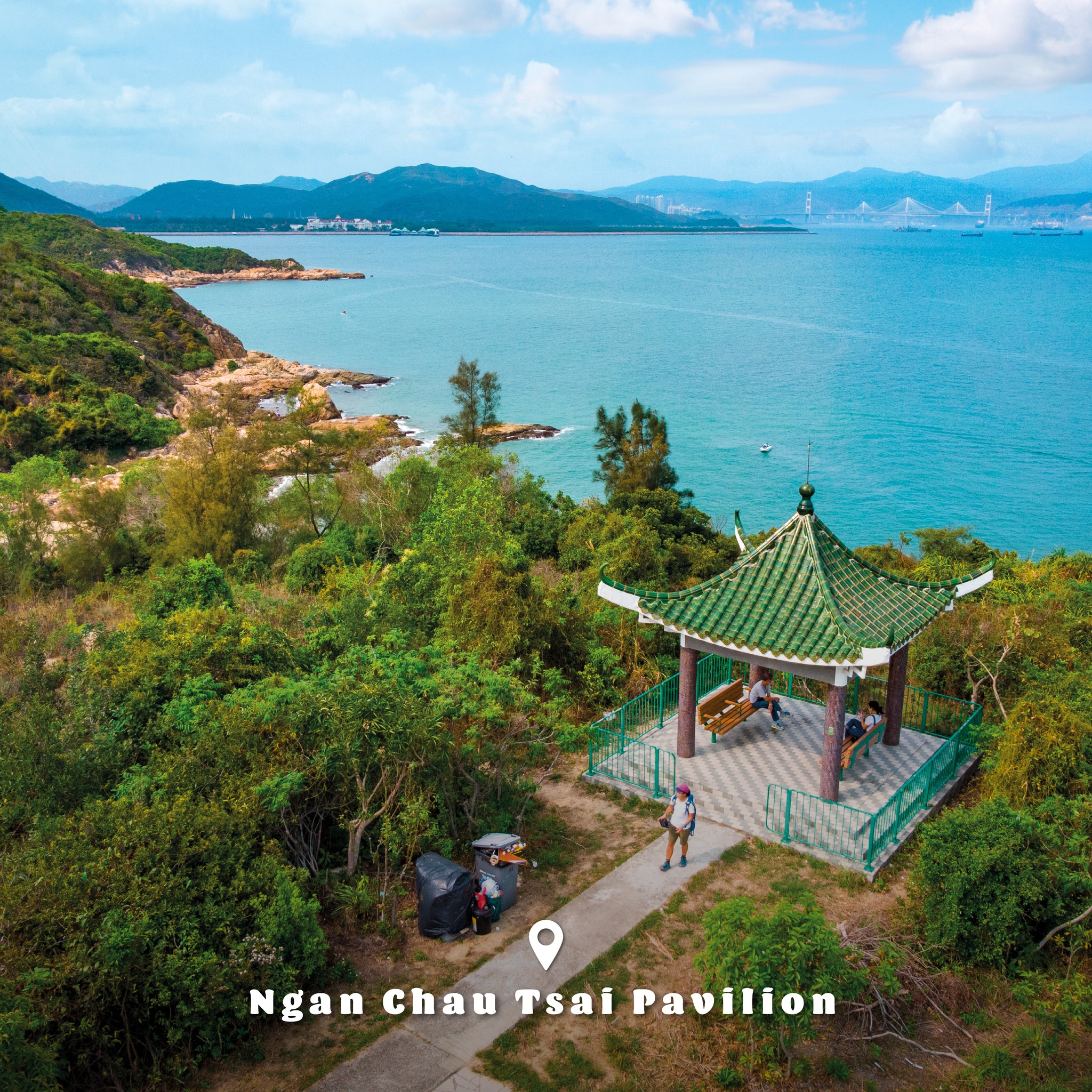
Photo courtesy of @discoverhongkong
Hidden along the main street, the Fook Yuen Leather Factory, a Grade III historic building from the 1930s, has been transformed into a colourful “secret garden,” where artistic installations crafted from chairs, bottles, and tyres provide a playful, photogenic contrast to Peng Chau’s historic sites. Visitors can also explore newly developed art spaces or peek into pottery workshops, offering a glimpse into the island’s once-thriving ceramic industry. Together, these sites showcase Peng Chau’s unique fusion of industrial heritage, spiritual tradition, and artistic expression, all set against the backdrop of a slow-paced, car-free island life.
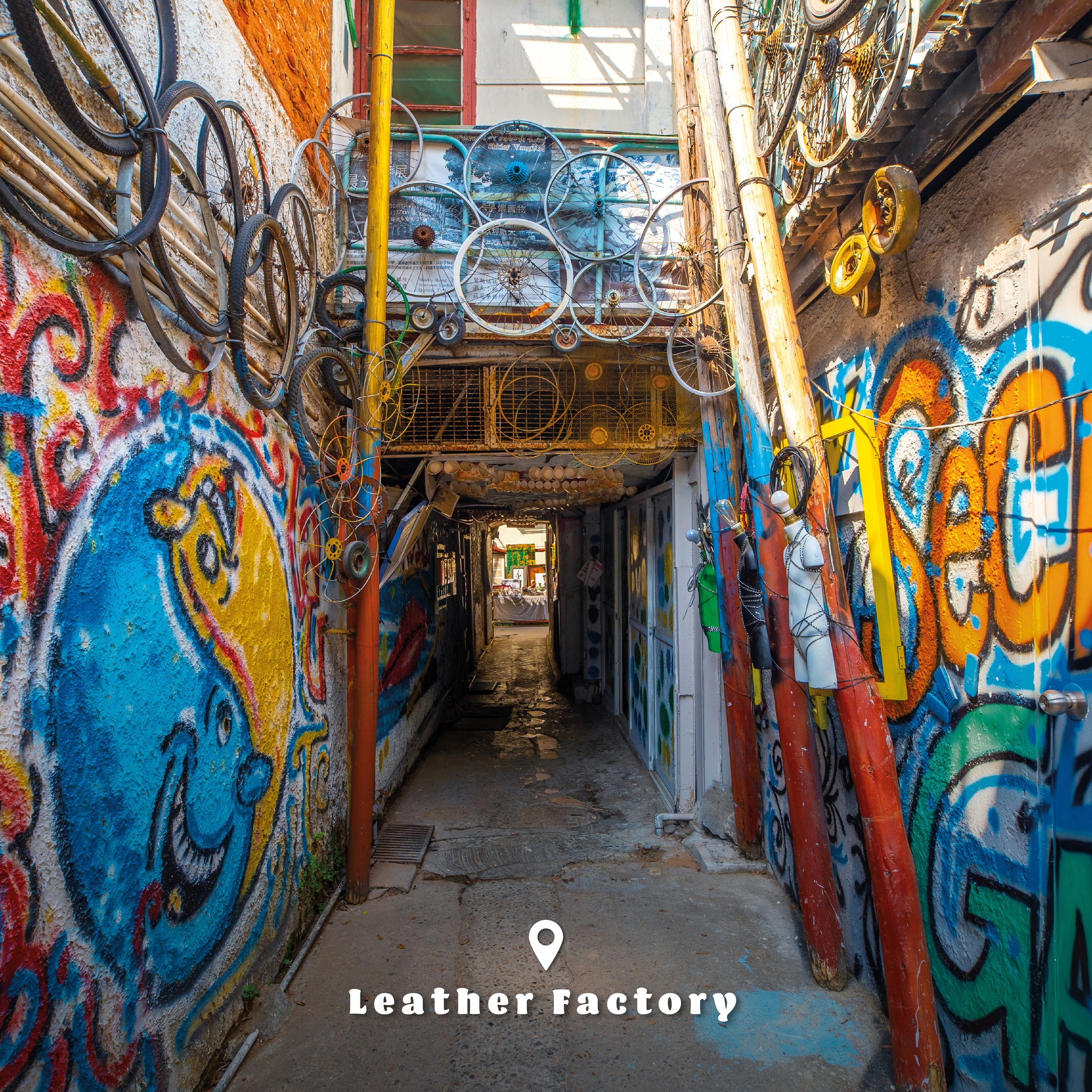
Photo courtesy of @discoverhongkong
Hong Kong’s dual worlds—from city sophistication to island calm—show the city’s remarkable contrasts in just one day. With West Kowloon’s modern culture and Peng Chau’s nostalgic charm, the city rewards travellers willing to embrace both sides. For more visit www.discoverhongkong.com/eng/index.html