



The glittering expanse of Tokyo is a profound study in urban design, where hyper-modern architecture exists in perfect harmony with quiet neighborhood shrines. Yet while many journeys to Japan begin and end in this dynamic capital, the true soul of the country is found by venturing beyond its borders.
The surrounding prefectures reveal a startling diversity of landscape, regional gastronomy and historical preservation. From sacred mountains to stoic castles, Japan’s lesser-known regions offer an abundance of exceptional day trips, each easily accessible via the country’s legendary rail network.
1. The Heritage Tea Fields of Shizuoka
The coastal prefecture of Shizuoka lies southwest of Tokyo, offering a landscape defined by rolling green fields and expansive maritime views. Accessible via the shinkansen (bullet train), this region is globally recognized as the premier tea-growing district of Japan.


For the intentional traveller, a day spent here is a sensory masterclass. Visitors can walk the geometric rows of the estates, harvest fresh leaves alongside local producers and participate in traditional tea ceremonies. Beyond the tea fields, the Hamamatsu Fruit Park offers sprawling orchard walks, while the volcanic slopes of Mount Omuro provide a dramatic hiking experience. With the imposing silhouette of Mount Fuji rising overhead, Shizuoka serves as a tranquil sanctuary from the unceasing energy of the capital.
The Journey
The JR Tokaido Shinkansen delivers travellers from Tokyo Station to Shizuoka in just one hour on the fastest express lines, presenting a seamless transition from urban density to rural stillness.
2. The Ancient Rituals of Chichibu
Nestled within a dense bowl of forested mountains and ancient shrines, the idyllic city of Chichibu has become a destination of choice for travellers seeking natural poetry. In the spring, Hitsujiyama Park transforms into a sea of vibrant pink moss, draping the valley floor in rich colour.

Chichibu is also an exceptional culinary destination, rooted in the traditions of kaiseki cuisine. Local chefs draw heavily from the bounty of the Aragawa River, preparing delicate dishes featuring fresh sweetfish on rice. If your journey aligns with December, the quiet town activates for the Chichibu Night Festival. This 300-year-old celebration features intricately carved wooden floats, classical flute compositions and a winter fireworks display that stands as one of Japan’s most revered cultural gatherings.
The Journey
The Seibu Railway offers a direct, scenic journey from Tokyo’s Ikebukuro Station straight to Seibu Chichibu Station. Keep a watchful eye on the horizon to spot the hot air balloons that frequently drift over the Saitama landscape.
3. The Coastal Temples of Kamakura
As the historic capital of medieval Japan, the seaside city of Kamakura is a living monument to Buddhist tradition. It is home to the iconic Great Buddha of Kotoku-in, drawing travellers who wish to experience historic architecture without the dense crowds of Tokyo’s Sensō-ji.
Beloved complexes like Hasedera and Hokokuji allow visitors to walk through towering bamboo groves, explore moss-covered sacred caves and listen to the wind move through the valley. Once you have explored the temple grounds, the quiet shores of Yuigahama Beach sit just minutes from the station, lined with understated waterfront kitchens serving exceptional, locally caught seafood.
The Journey
The JR Yokosuka Line connects Tokyo Station directly to Kamakura in a comfortable, one-hour transit. A combined pass option is available with the historic Enoden coastal train, providing effortless access to the nearby island of Enoshima.
4. Thermal Wellness in Hakone
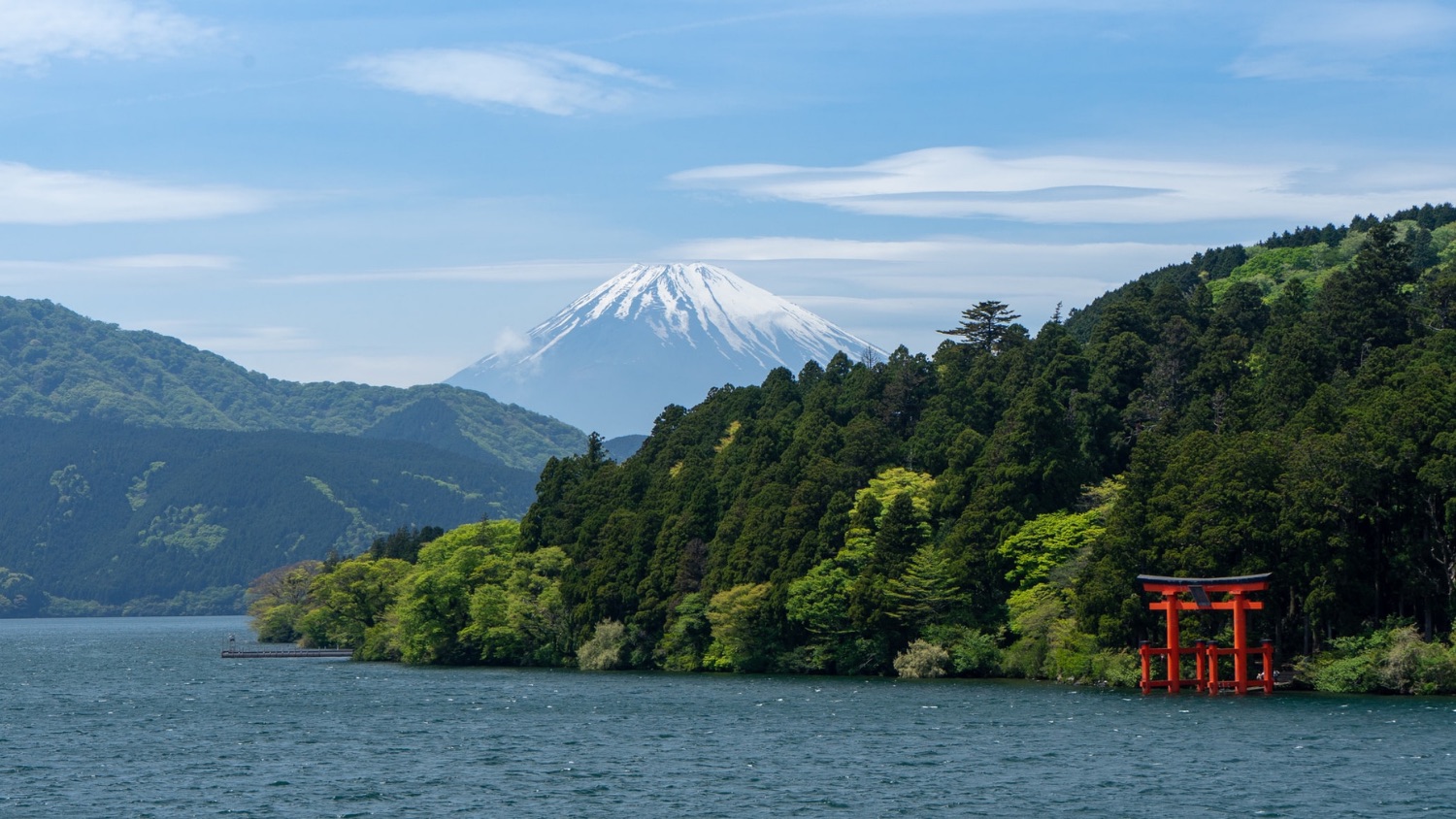
Located just over an hour west of Tokyo, the mountainous landscape of Hakone is often described as the scenic heart of the country. The classic view of Mount Fuji rising behind the torii gates of Lake Ashi is an enduring symbol of Japan’s timeless beauty.
While hikers flock to the mountain trails, others arrive to experience the region’s therapeutic geothermal waters. Hakone is one of Japan’s premier onsen (hot spring) destinations. The traditional ryokans (luxury inns) scattered across the hills have spent centuries perfecting the art of hospitality and holistic wellness. Spending an evening watching the mist roll off the mountains from the comfort of a natural stone bath is the ultimate expression of slow travel.
The Journey
The Odakyu Railway runs the “Romancecar” express service from Shinjuku Station directly to Hakone-Yumoto in 85 minutes. Alternatively, travellers can take the shinkansen to nearby Odawara to explore its beautifully restored medieval castle before transferring into the mountains.