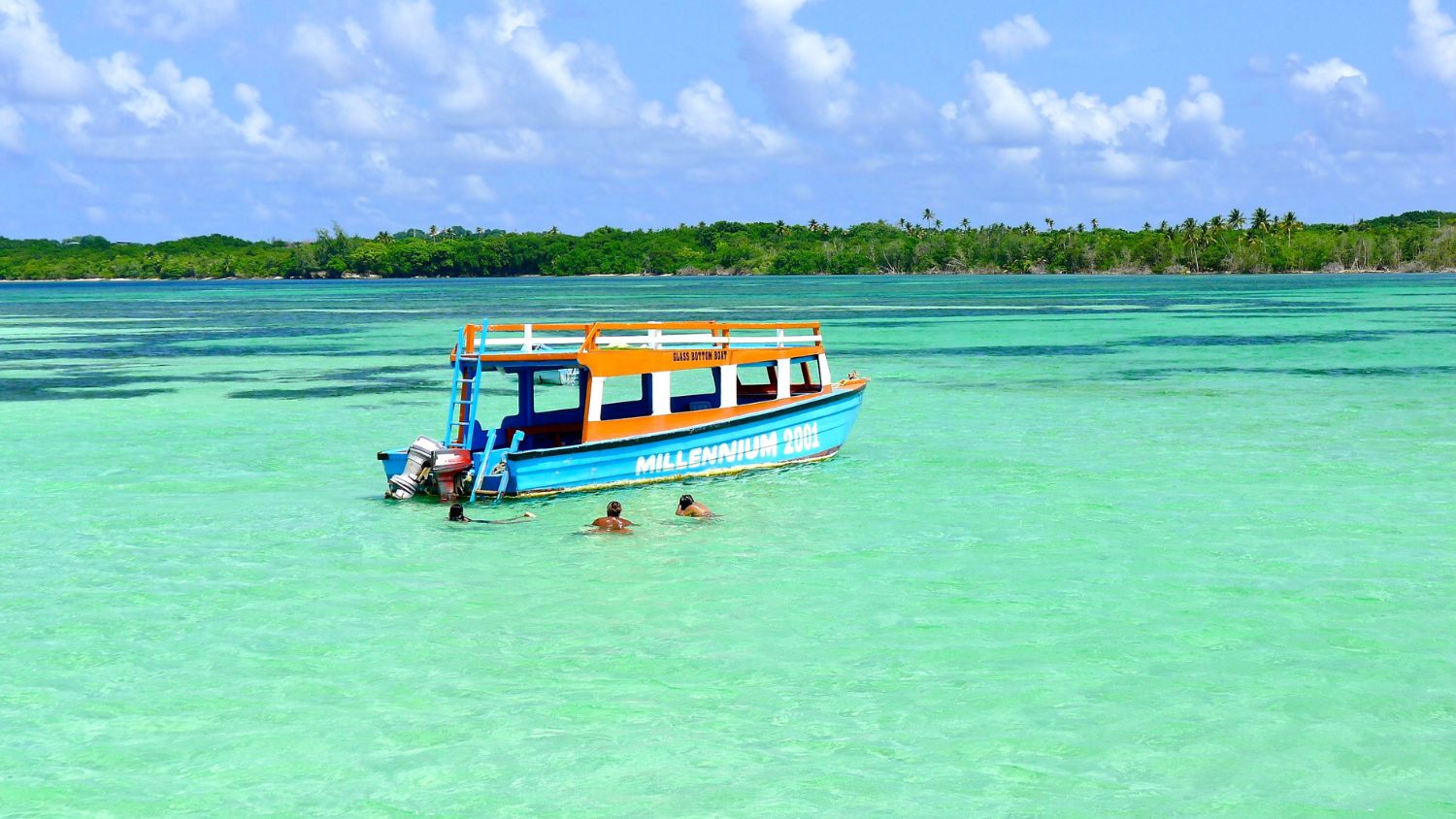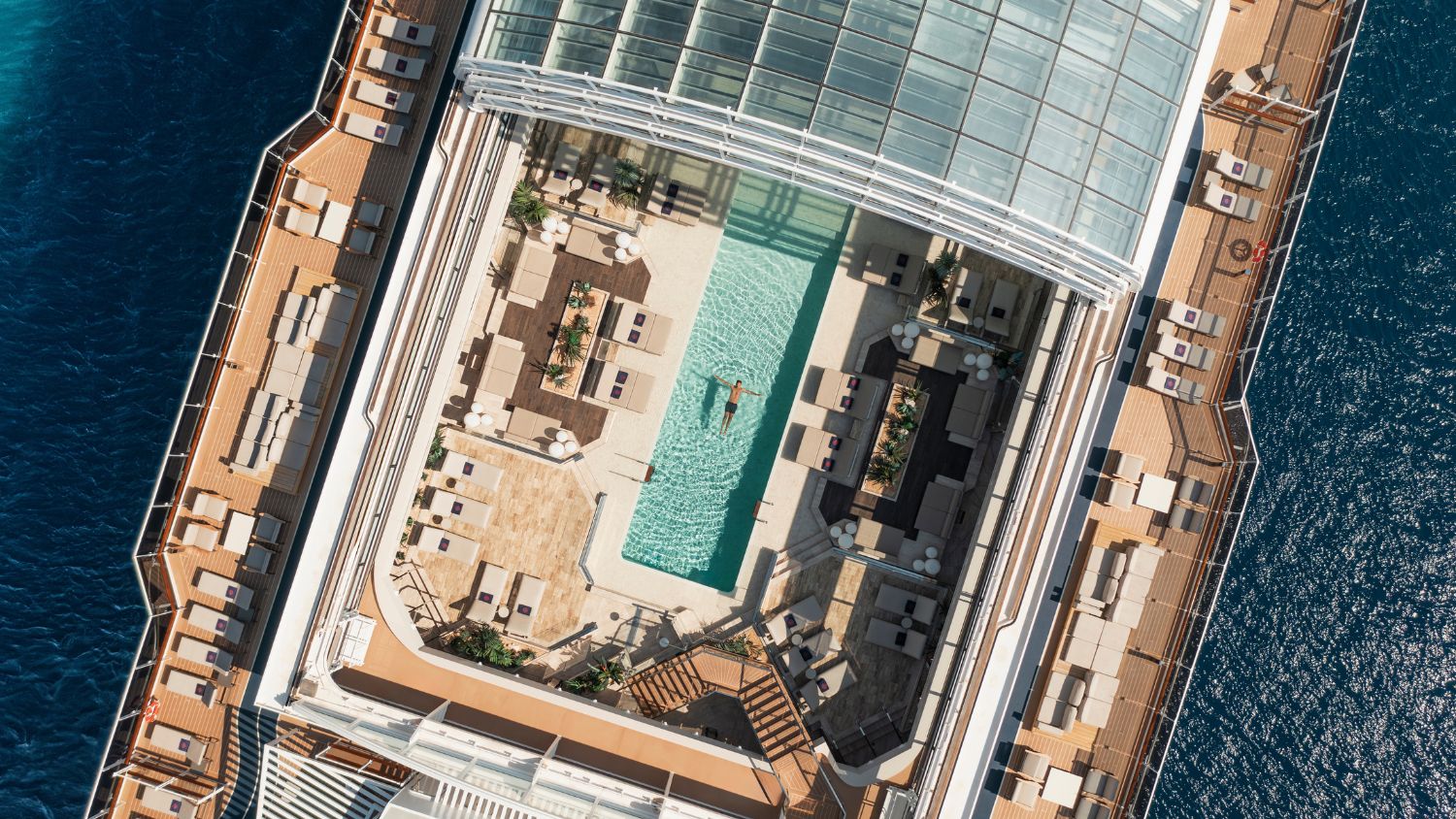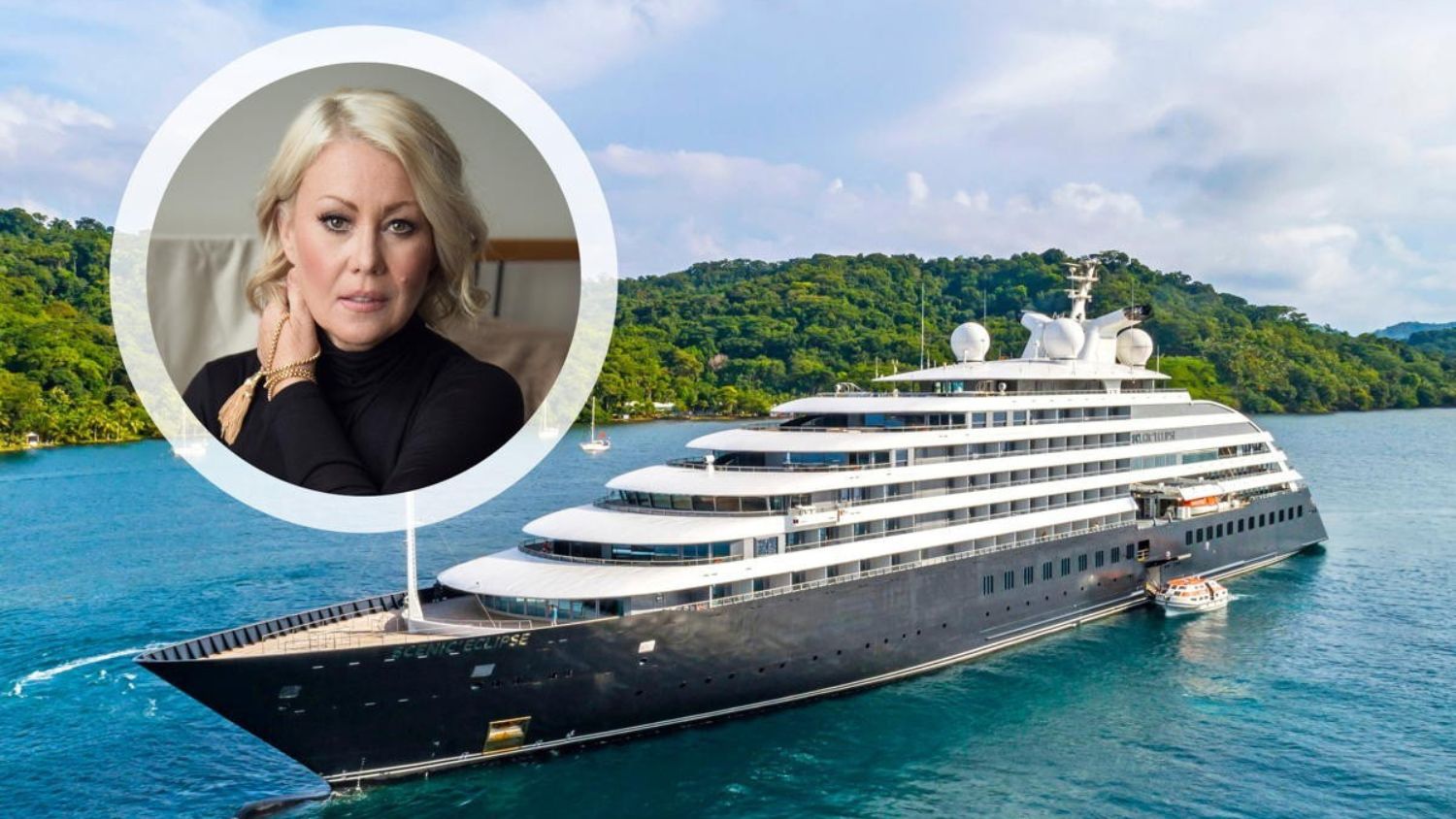

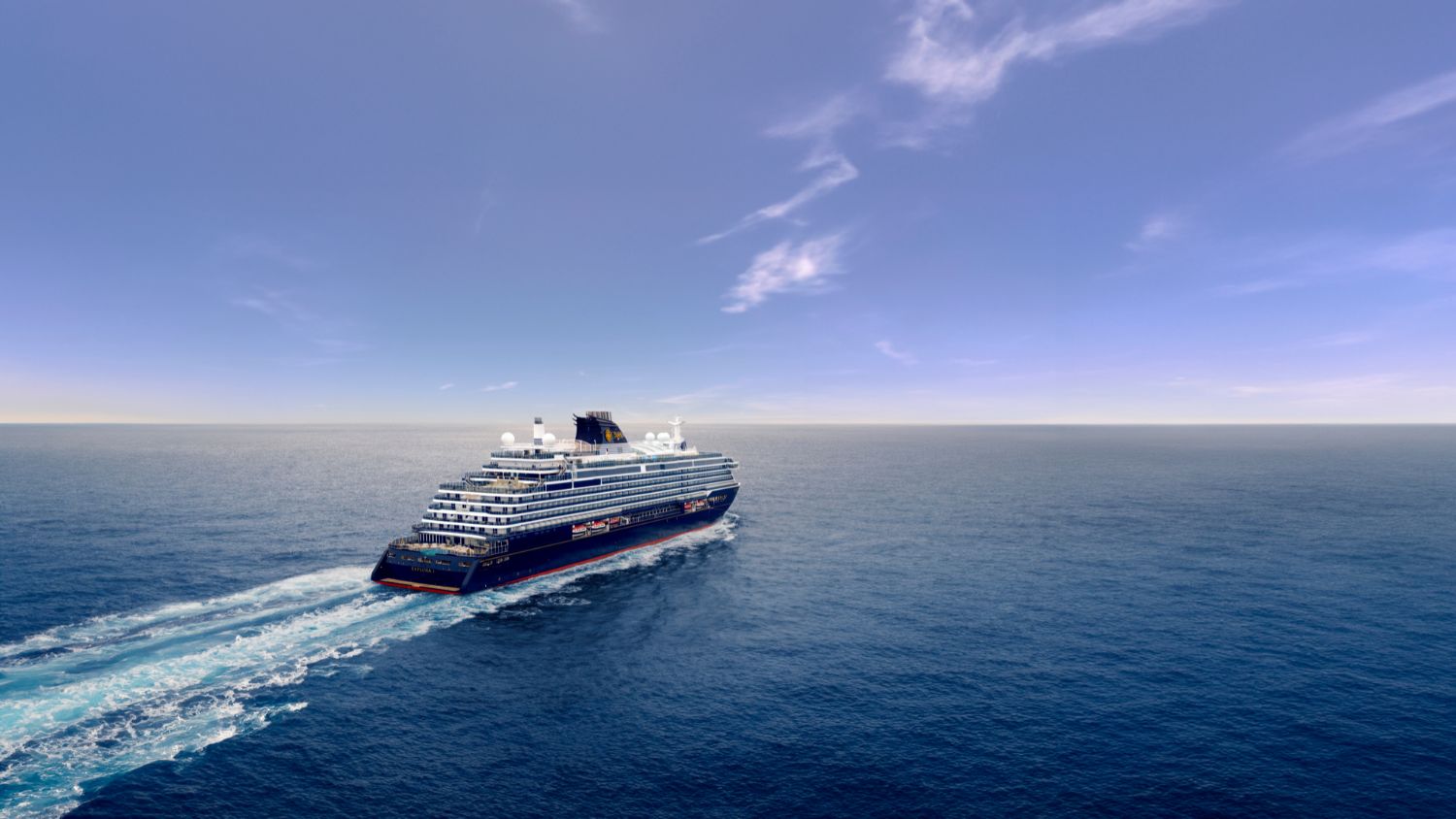



WITH ITS PEELING PAINT, hanging trinkets of all sorts and makeshift straw canopy, our awaiting cayuco boat was a refreshingly rustic contrast to the sleek Explora I cruise ship I woke up on. That’s exactly what I wanted from Roatán, Honduras.
With its piercing turquoise waters, lush rolling hills, vibrant flowers and a majestic underwater playground, the island of Roatán was, until recently, the Caribbean’s best-kept secret. It has become more mainstream with its growing popularity – especially as a cruise ship destination.
Roatán was part of Explora I’s Caribbean and Central America itinerary, along with stops in Guatemala, Belize and Mexico. I opted for the “Immersive Encounter with Roatán and its People” excursion on the island’s barely-commercialized east end. The cruise ship was the only one docked at the Port of Roatán during my March visit. In the tourist season’s peak, there could be as many as five, says Sheila Henry, our tour guide and a lifelong local. “We’re happy if it’s one, and we’re happy if it’s five,” she says.





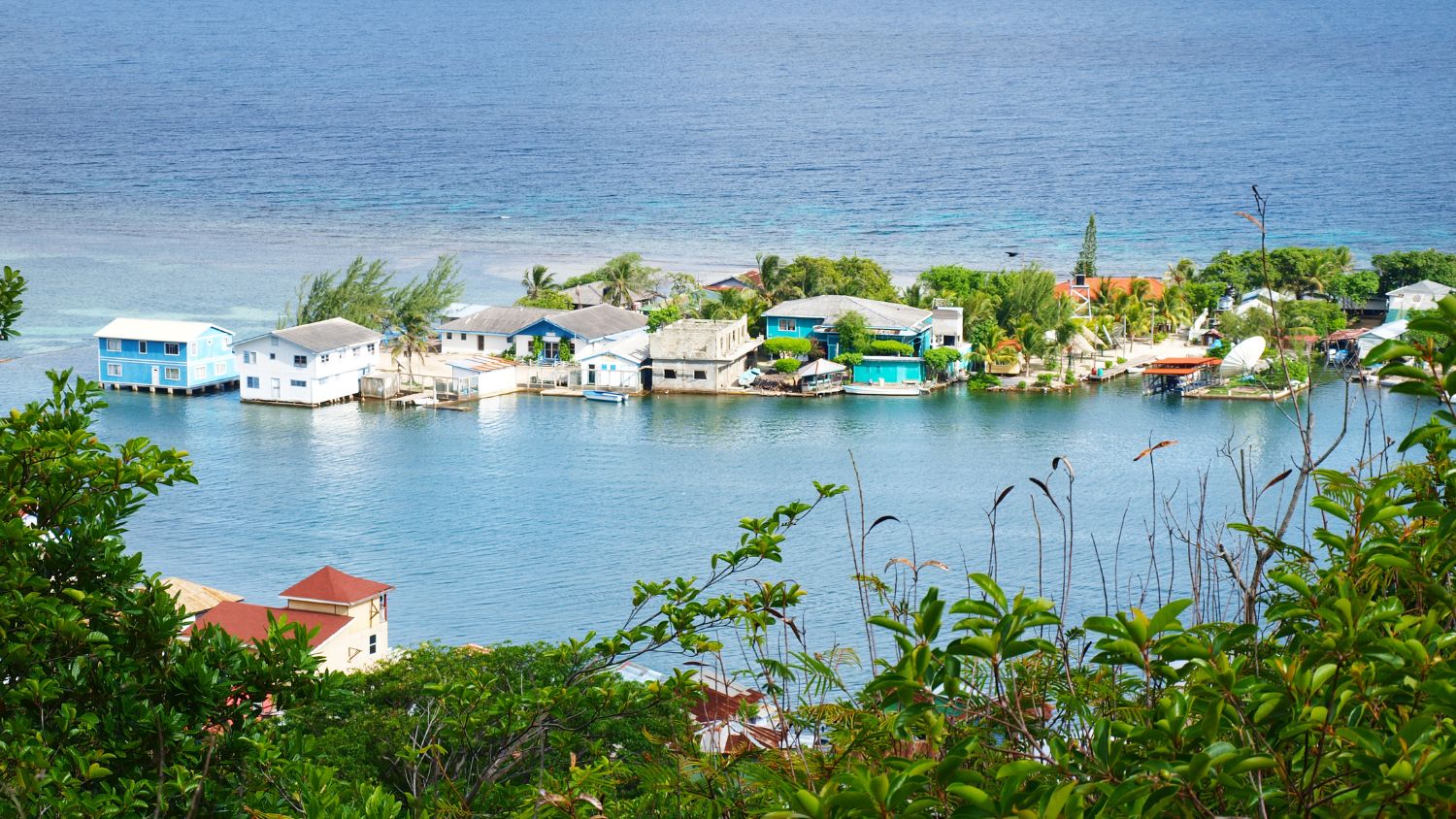
A splash of Caribbean colour. The pastel-hued stilt houses of Oak Ridge Harbour, Roatán, stand above the turquoise water—a quiet contrast to the island’s busier cruise port. Photo by Jahman
Tourism has replaced fishing as Roatán’s main industry, says Henry, as more travellers discover the once hidden gem. I don’t say “gem” lightly: Roatán is home to the stunning Mesoamerican Barrier Reef, the world’s second largest barrier reef system – smaller only than Australia’s Great Barrier Reef. Naturally, many cruise ship passengers (including one in his 80s) chose scuba diving or snorkelling excursions.
Near the lively port, the main street is lined with shops displaying colourful clothing, fruit and veggie stands, beauty salons, small churches, bodegas and the odd American brand, like a Papa John’s. Men sell watermelons from a pick-up truck bed, enjoying massive slices themselves. While the process of paving the main roads is (gradually) underway, Henry prepared us for the bumpy drive in store to Roatán’s east side. “You’ll get a free massage soon,” she joked.
With its scenic canals, over-water houses and reliance on water travel, the charming and rugged fishing village of Oak Ridge is known as “The Venice of Roatán.” Here, modest fishing boats bob in the harbour while fishermen tend to their nets, locals sell cashews and corn rice (made with coconut milk, cinnamon, sugar and corn, says Henry), and everything runs on “‘island time.” Authentic and raw, it’s stuck in simpler days. The cayuco offered a memorable mode to discover Oak Ridge’s eye-catching charm.
Here, modest fishing boats bob in the harbour while fishermen tend to their nets, locals sell cashews and corn rice and everything runs on “‘island time.”
Long and narrow, the motorized canoe-like vessel sat low in the water as it navigated the Caribbean Sea’s countless shades of turquoise, sailing past brightly-painted stilt houses, water access-only tiki bars and many- hued fishing vessels. The boat also glided through the Jonesville mangrove tunnel – a lush canopy of tangled tree roots, dramatic branches and dense greenery. It was like something out of a storybook.
Back on land, a traditional Punta music and dance performance offered a warm welcome in nearby Punta Gorda, the island’s oldest permanent settlement. Founded in 1797 by the Garifuna people and officially recognized as a National Monument, it remains the heart of the vibrant Garifuna culture and untouched by large-scale commercialization.
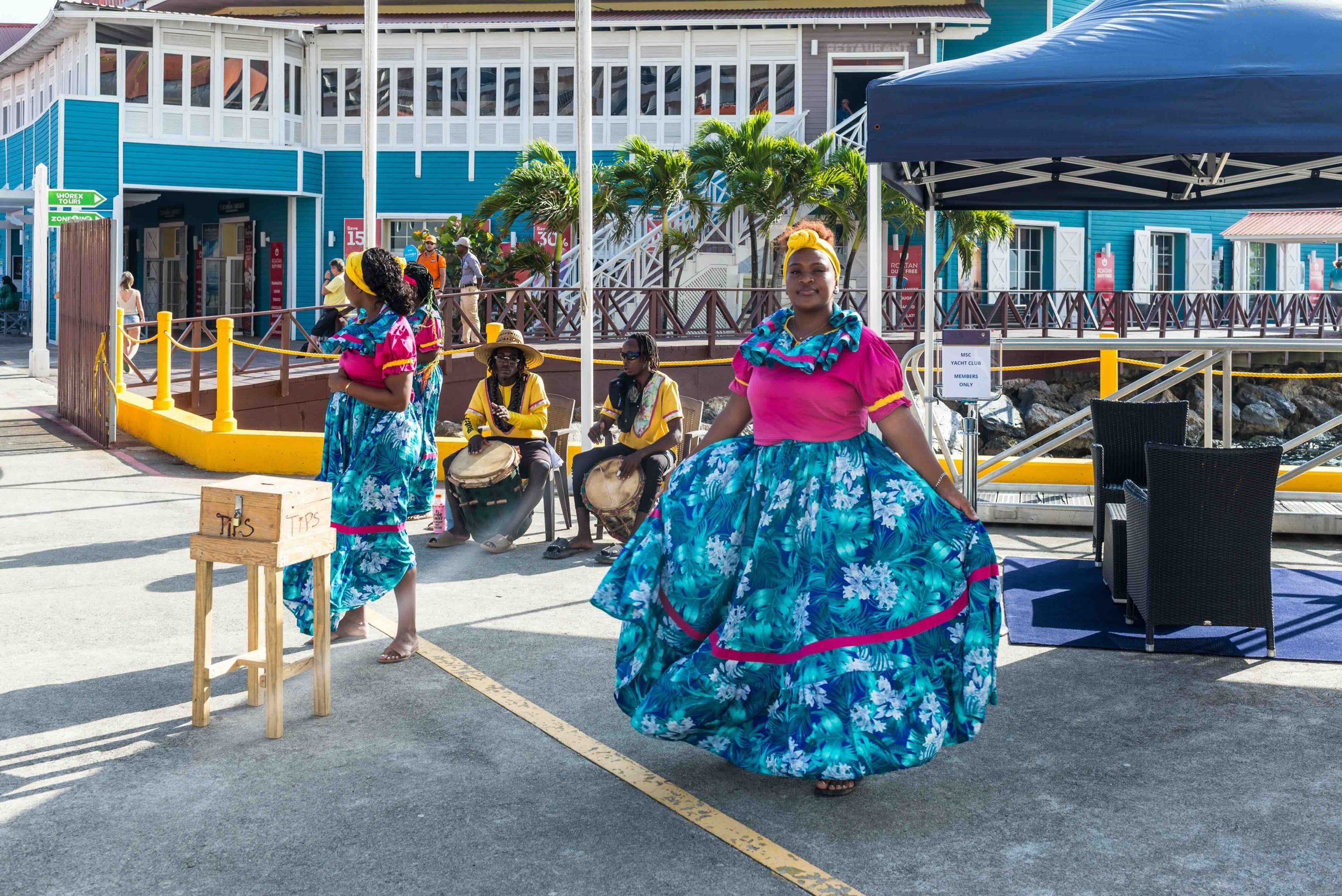
Musicians and Garifuna dancers welcome cruise ship passengers at the port on Roatan Island in Honduras. Photo: byvalet
Performed to the beat of traditional drums, Punta dancing focuses on rhythmic and fast-paced hip movements with quick footwork and is accompanied by singing and chanting. A handful of barefoot local children eventually joined in – so did some tour members. Typically, the sacred celebration is private and not photographed, says Henry. But exceptions are made to immerse tourists in the culture.
Under a nearby seaside palapa, an elderly woman sold local staples, cassava bread and coconut candy. Her coconut candy recipe featured ginger, cinnamon, whole milk and sugar. Local women have long made a living off the sweet and chewy snack. “My mother was so particular with her coconut candy; if they didn’t turn out how she wanted, she’d throw them out,” says Henry. “She made a name for herself.”
Meanwhile, the flat and cracker-like cassava bread, made from the cassava root, has an ages-old history with the Garifuna people. Both snacks offered a taste of the culture’s soul for the ride back. While I’ll have to save exploring the island’s famed reef for next time, I’m grateful I discovered something else: The rhythm of Roatán. explorajourneys.com/ca
MY FAVOURITE THINGS TO DO ON BOARD EXPLORA I
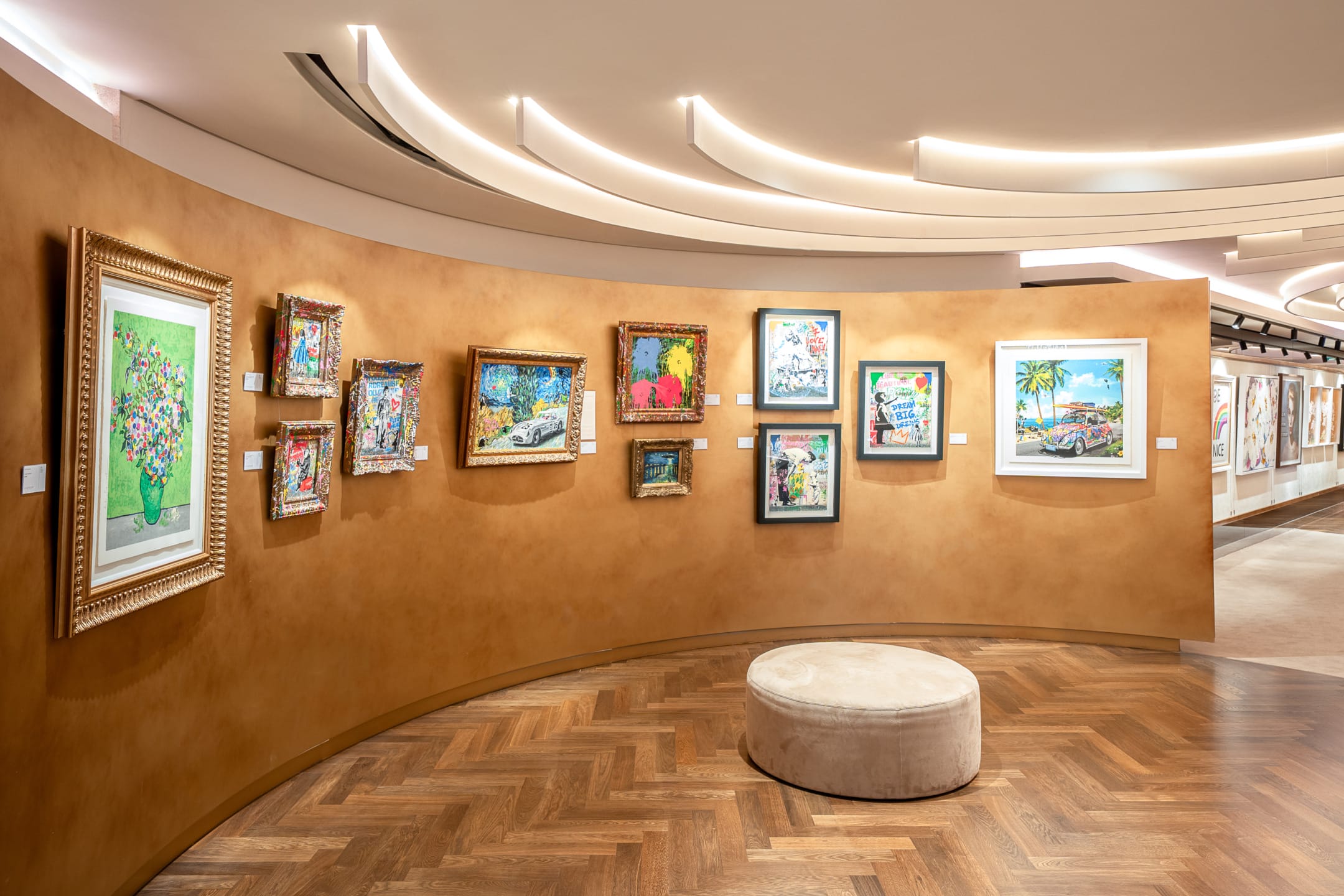
Galleria d’Arte on Explora Journeys. Photo: Courtesy of Explora Journeys
ADMIRE THE ART
Blending into a sophisticated corridor, the art gallery displays works from renowned contemporary artists like Andy Warhol and Roy Lichtenstein.
WORK OUT WITH A VIEW
With endless ocean views, top-of-the-line equipment and expertly-led fitness classes, hitting the gym is no chore – even on vacation.
HAVE A NIGHTCAP AT THE LOBBY BAR
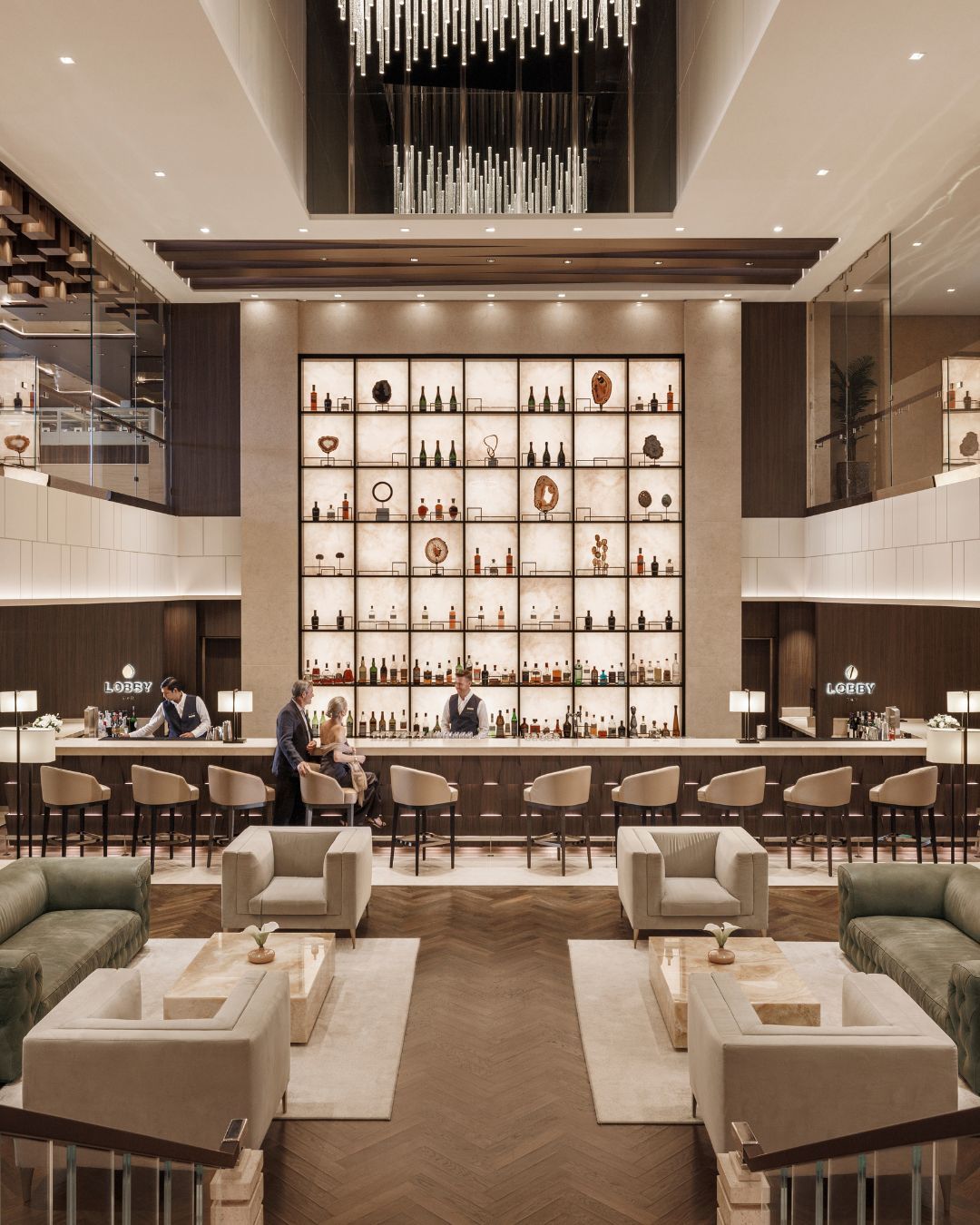
Lobby Bar. Photo: Courtesy of Explora Journeys
Backed by the ship’s dramatic grand staircase with live piano music, this bustling bar is perfect for connecting with fellow cruisers over a cocktail.
ENJOY BREAKFAST ON THE BALCONY
The ship’s exceptionally large balconies offer ample room for a gourmet in-suite breakfast with all the perfectly-done sides your heart desires.
SPA AT SEA
At the pristine spa, guests enjoy complimentary access to a wellness circuit with hydrotherapy pool, steam room, sauna, salt cave and ice fall.